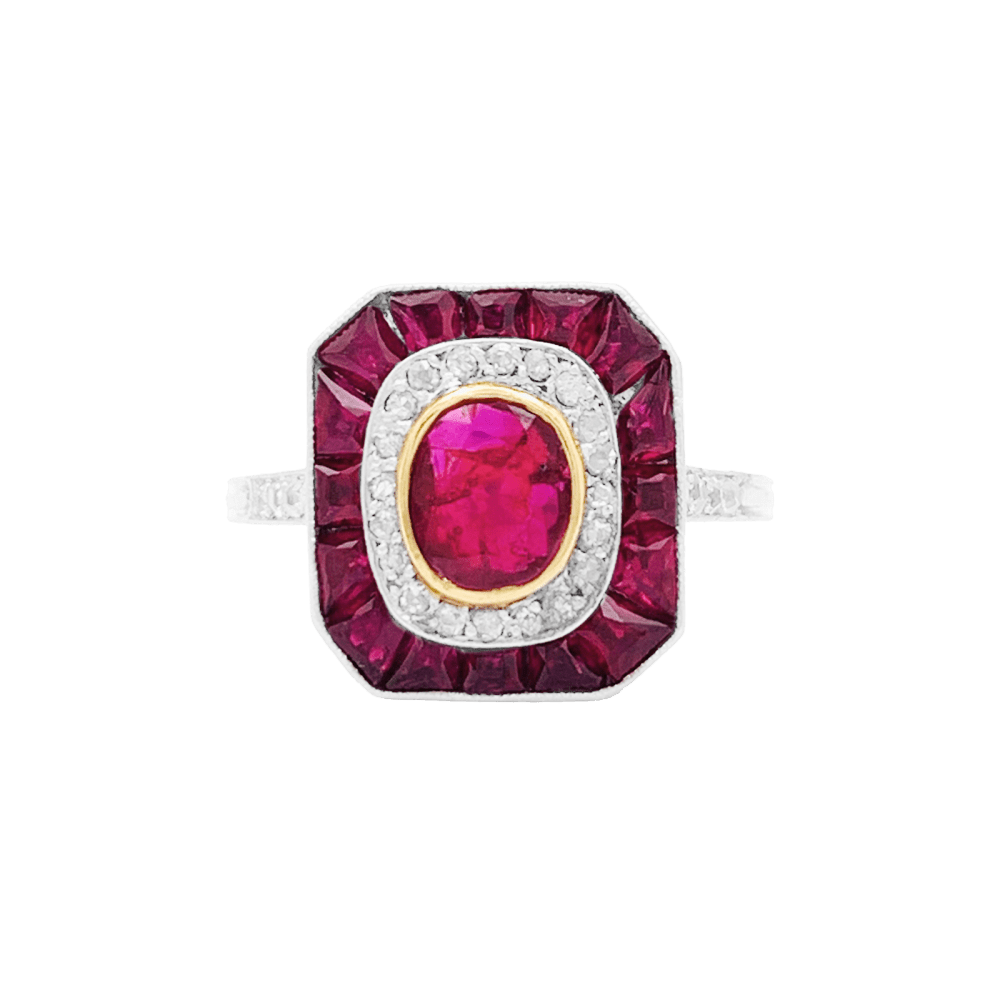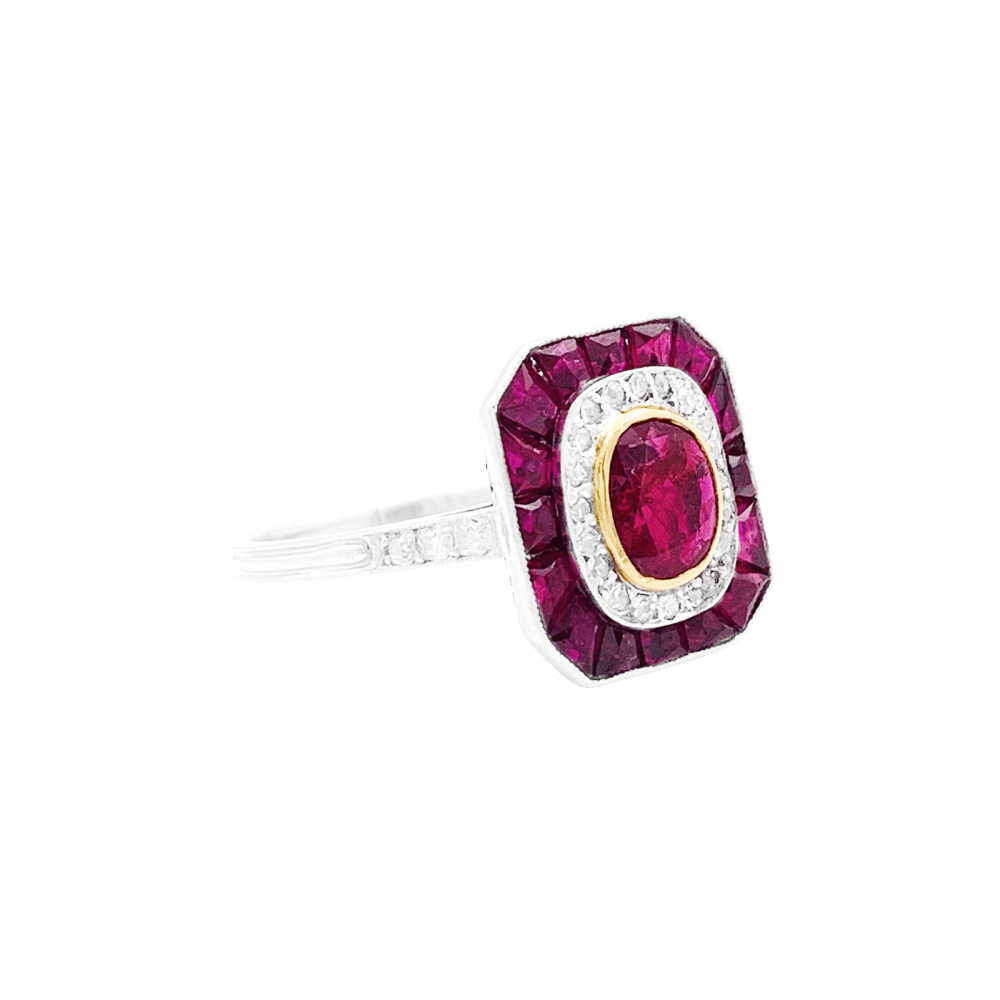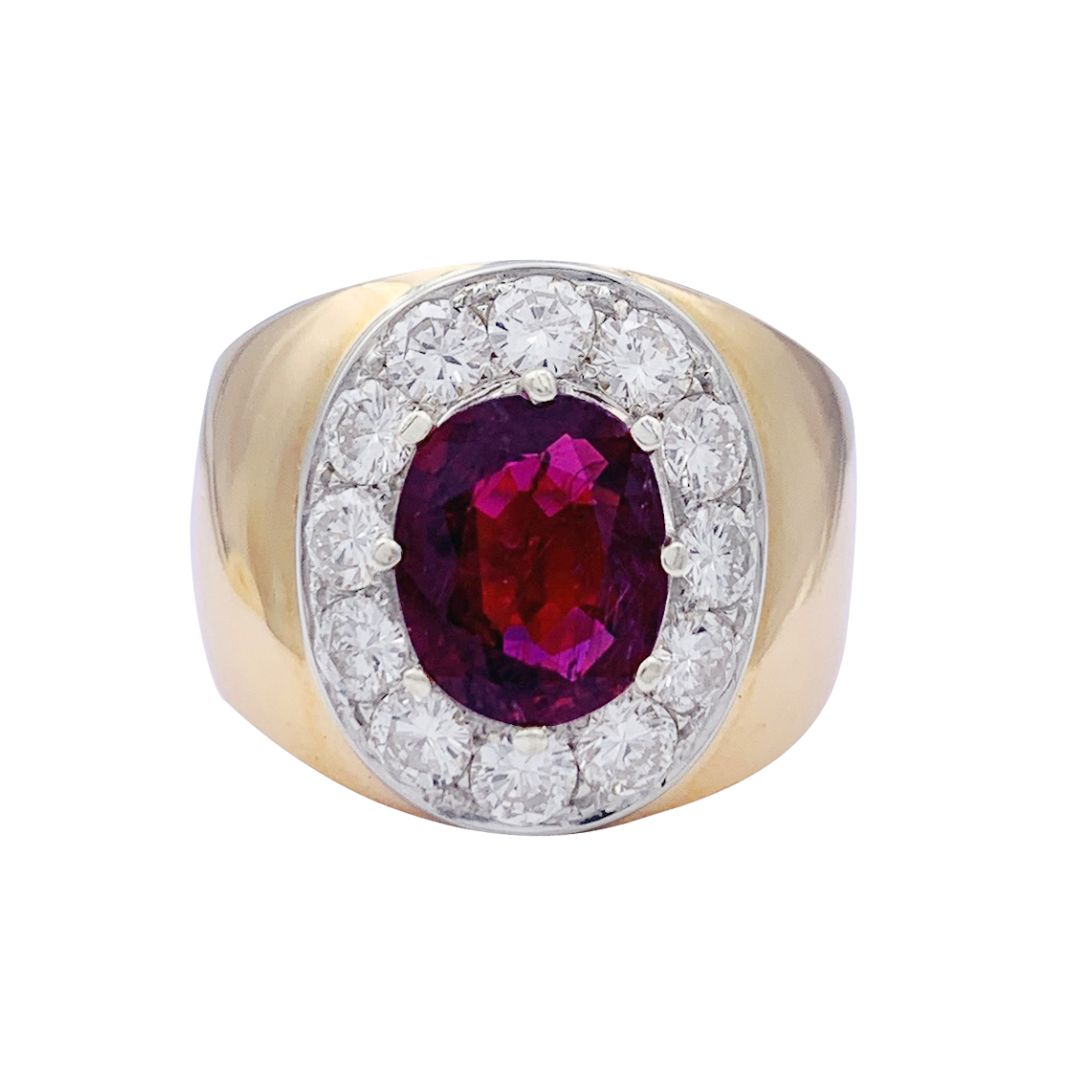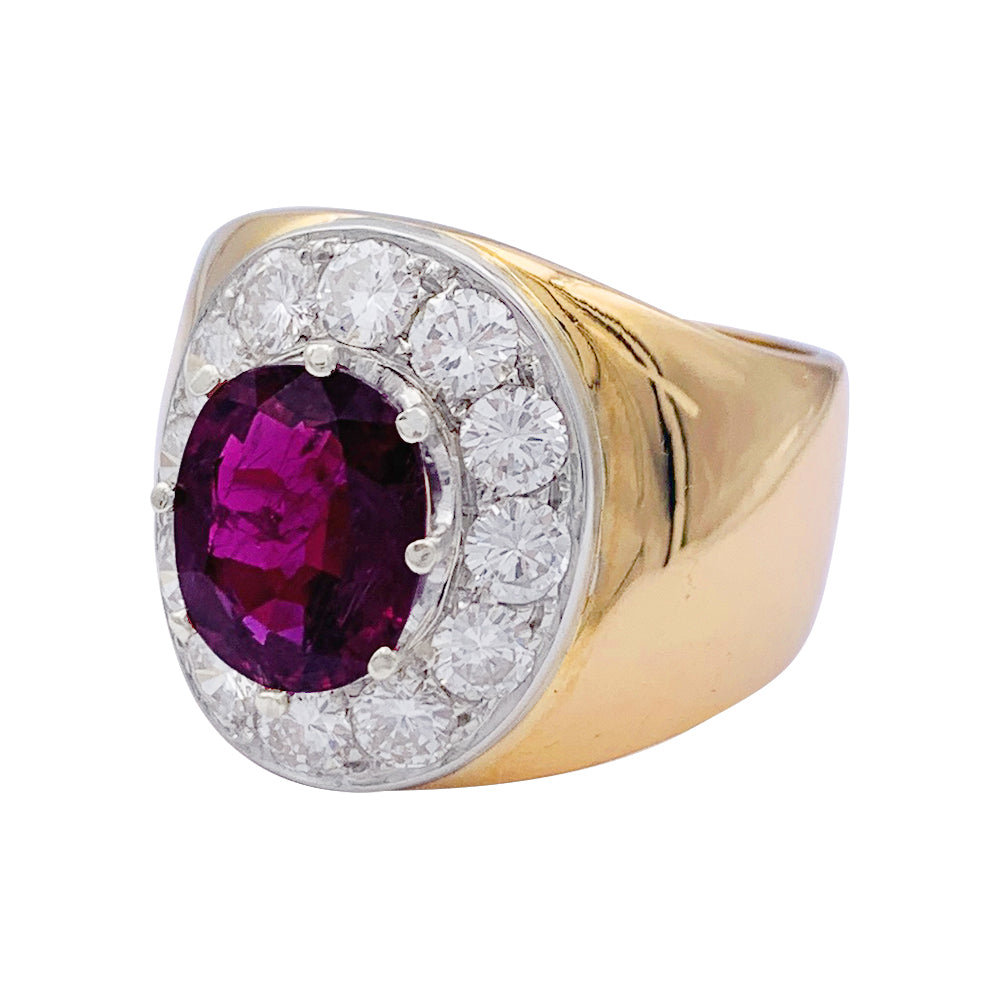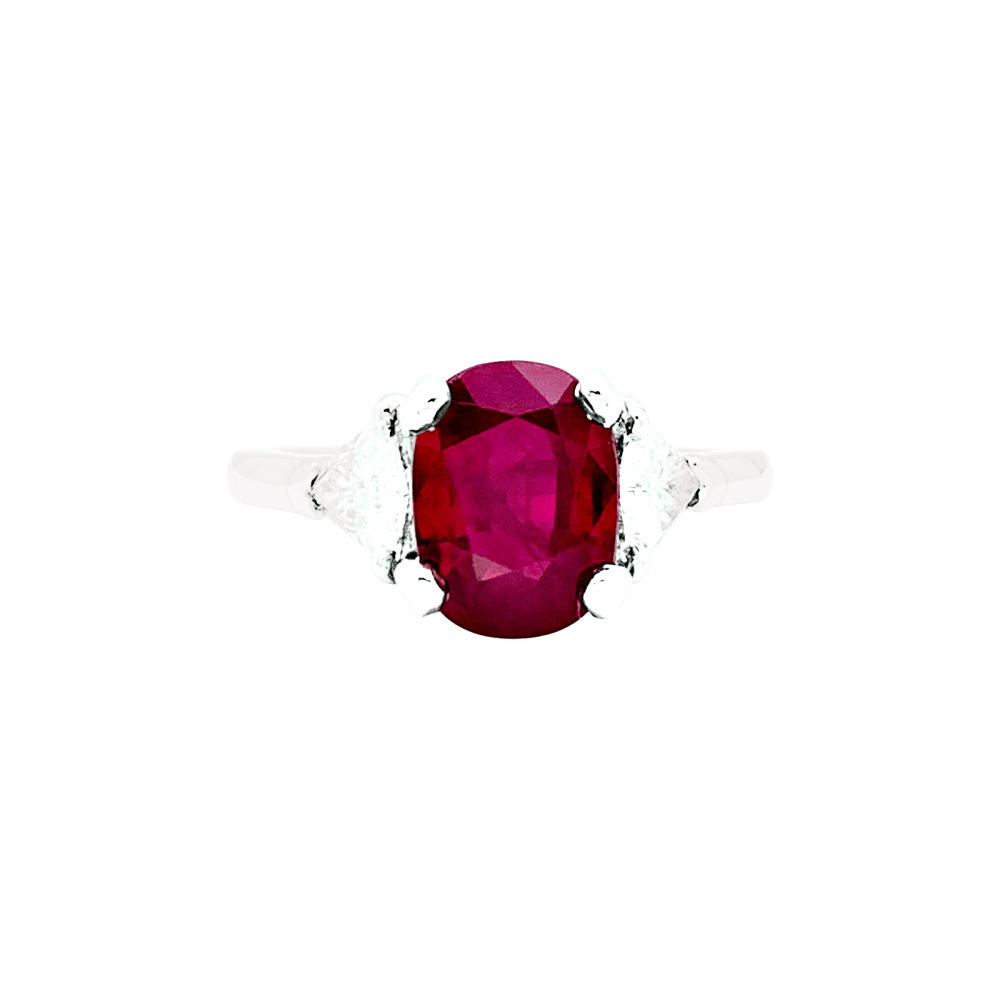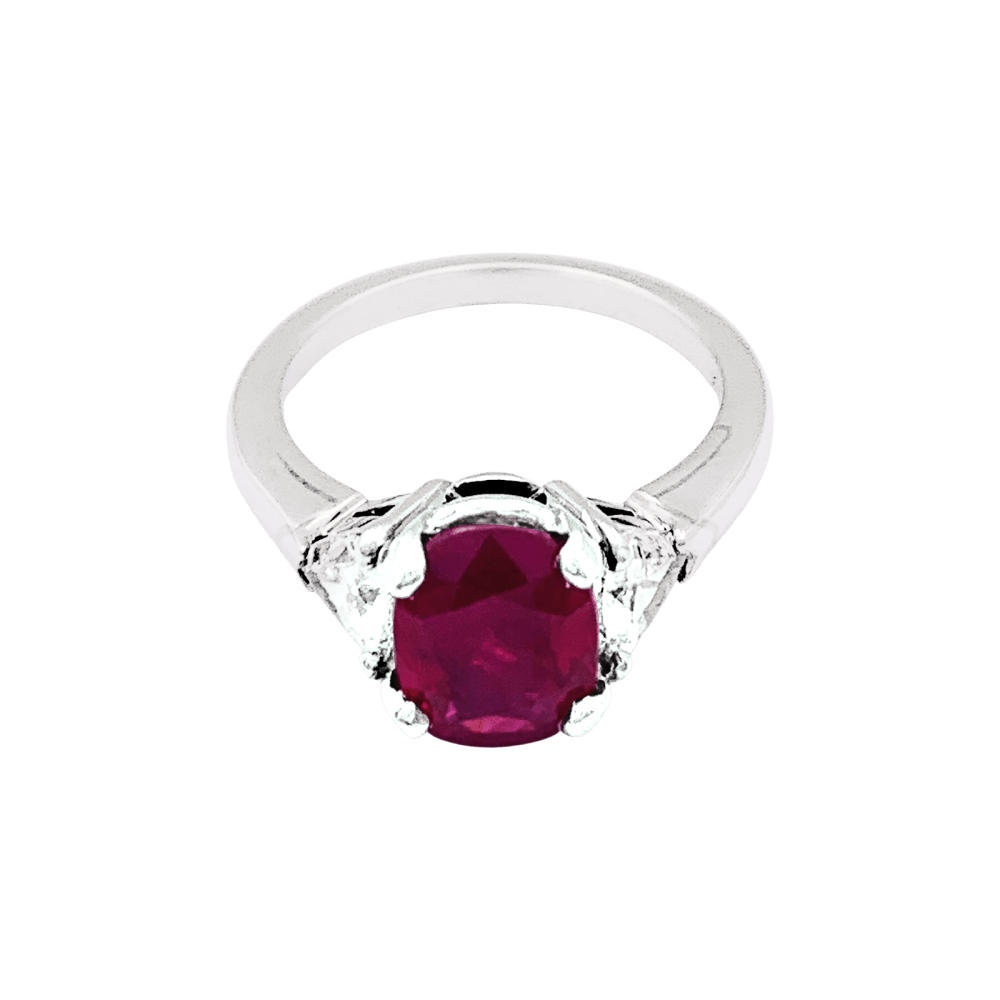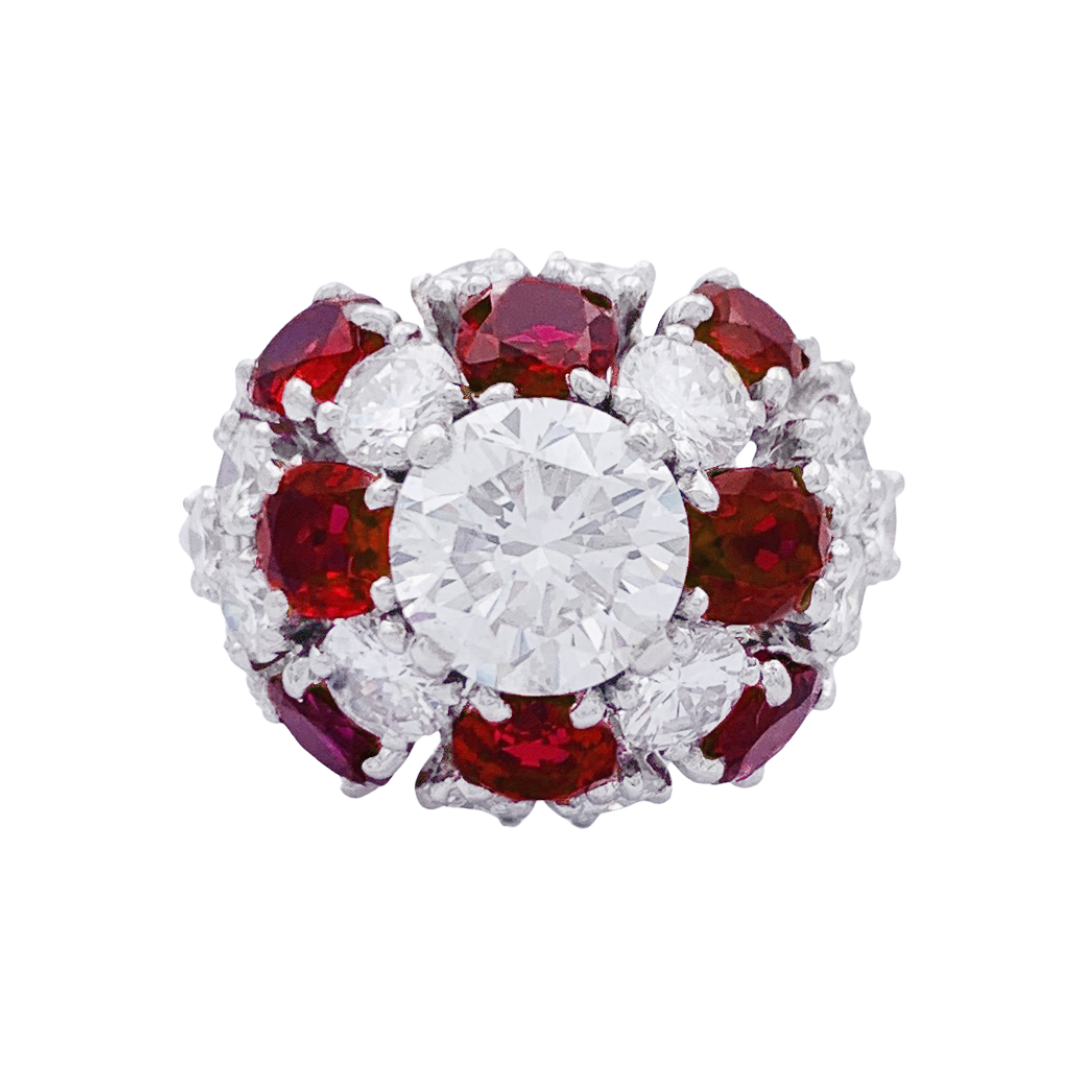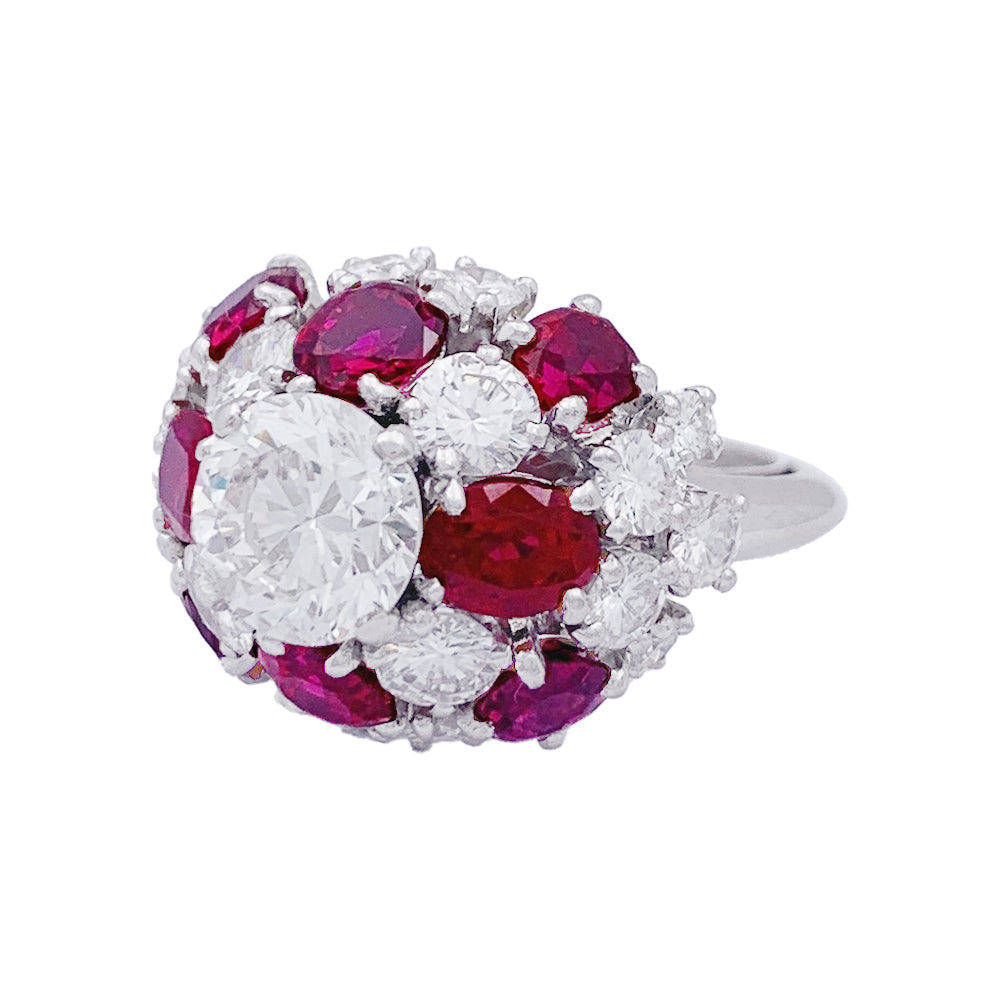


How to identify a real ruby?
How to tell if a ruby is real or fake? There are several techniques that can help you determine this, even for a non-expert. Miller, the specialist in antique and pre-owned luxury jewelry in Paris, explains how to proceed. And if you have any doubts, you can always visit our boutique for a professional appraisal of the stone in question!
How to distinguish a real ruby from a fake?
How can you tell if a ruby is genuine? It is actually quite straightforward because rubies are extremely hard stones. On the Mohs scale of mineral hardness, a ruby has a rating of 9. This places it just behind the diamond, which holds the maximum score of 10 as the hardest material in the world. Very few minerals are harder than a ruby, making this a simple method for identification. However, there are other approaches we will explore.
The hardness test
To scratch the ruby on a ring, you would need to use something harder than the ruby itself—specifically, a diamond or moissanite. If you suspect the stone is not a real ruby, you could try scratching it with a nail, for example. A steel nail has a hardness of about 6.5 on the Mohs scale. Ideally, you should use something with a hardness rating of 8, such as a topaz. This helps separate a genuine ruby from an imitation.
The streak test
With this method, we aim to identify if the ruby leaves a colored streak after being rubbed. Use the ruby in question to rub against a hard, smooth surface, like a piece of glass. If you observe a trail of color on the smooth surface, you can conclude that you are holding a fake ruby.
- Read also: How to recognize a real diamond on a ring?
A genuine ruby will never leave such a colored mark. The only limitation of this technique is that you cannot be 100% certain the ruby is real just because it leaves no trace—it could be a tourmaline, for instance. However, if it does leave a mark, there is no doubt it is a fake.
Which stones can look like rubies?
- Tourmaline: This stone has a hardness rating of 7 to 7.5 and is sometimes presented as a ruby.
- Garnet: Slightly softer than tourmaline (6.5 to 7.5), a garnet can also pass for a fake ruby, though its color tends to be lighter.
- Glass: Most fake rubies, however, are simply pieces of glass. These can be easily identified through a hardness test or even with the naked eye, as their refractive index is lower than that of a real ruby.
- Composite rubies: These are natural rubies that have been "modified" by adding glass to alter their color, which significantly devalues them.
How to be 100% sure? Ask a gemologist!
Do you want to sell a piece of ruby jewelry but aren't sure if the stone is authentic? Visit the Miller boutique in Paris. We have the gemological expertise to distinguish the real from the fake, whether it's a ruby, diamond, emerald, or any other gem. Beyond the simple techniques mentioned above, analyzing the stone with a jeweler's loupe allows a trained eye to accurately identify a genuine ruby.