


Why second-hand luxury goods are becoming increasingly popular
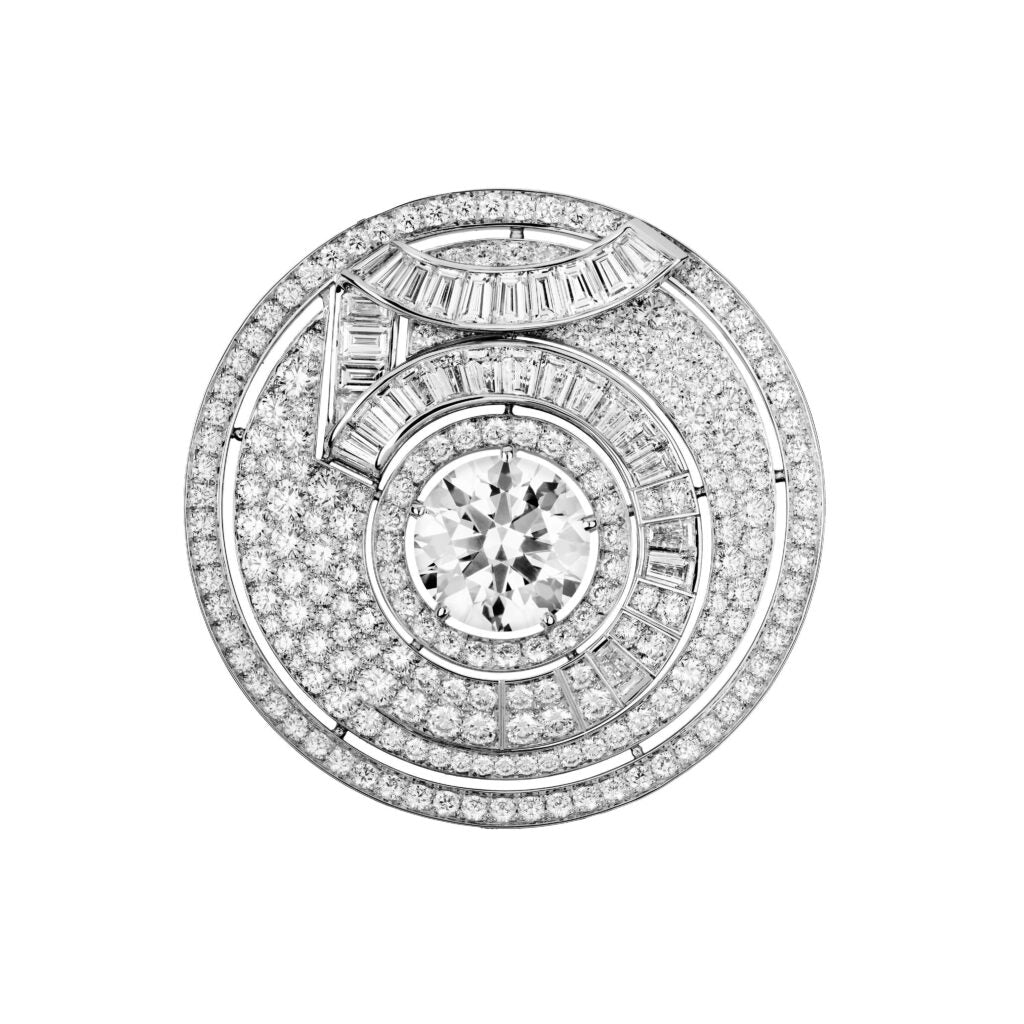
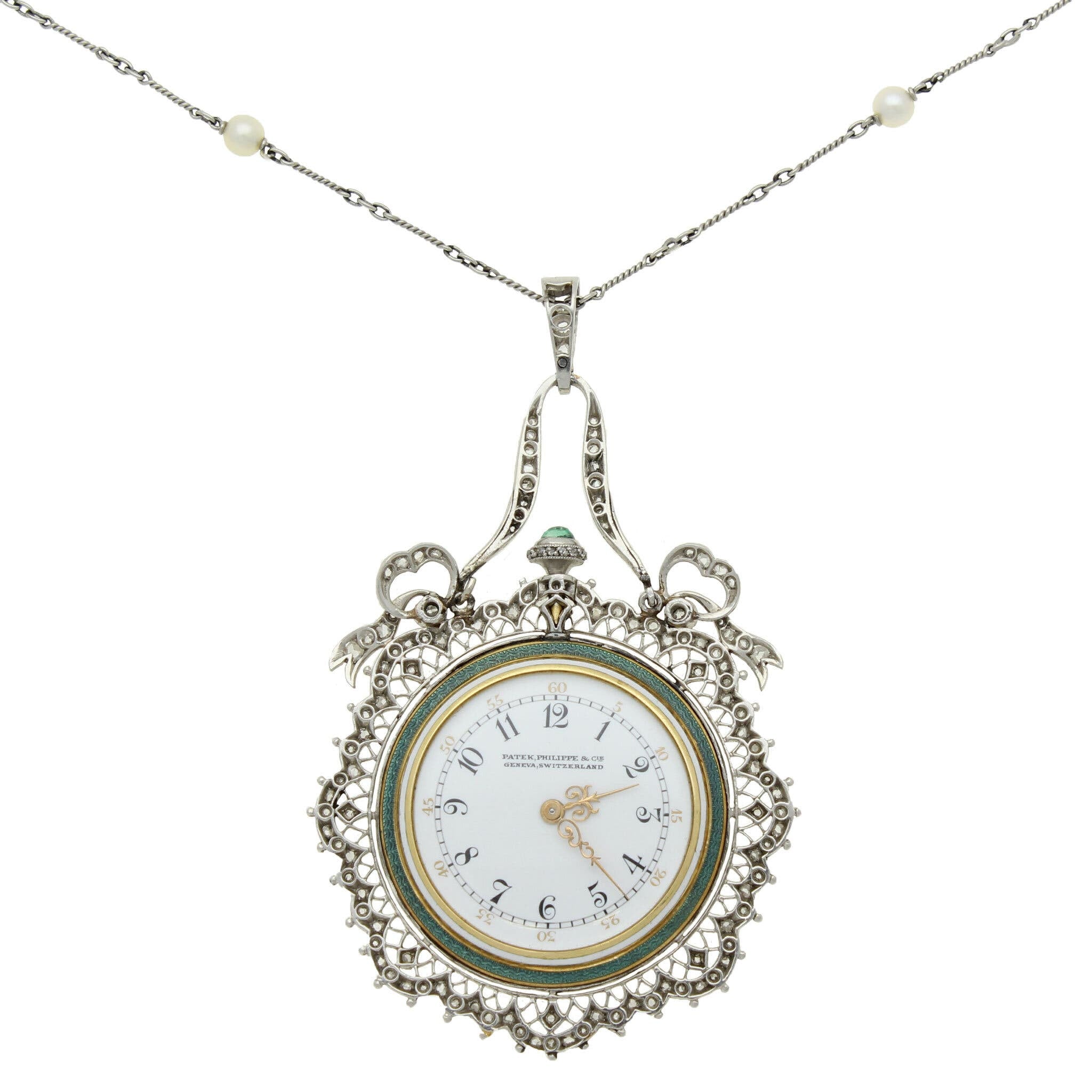
At Miller, pre-owned luxury jewelry has been our core business for over 30 years. Since 1989, we have been offering our Parisian and international clientele, via our website, pre-owned luxury jewelry and rare vintage pieces. In recent months, we have witnessed a rise in the second-hand market. In addition to specific marketplaces like Vinted, some prestigious houses are formalizing a "resale" network, such as Valentino.
Valentino Vintage: The Old Honored

It's well known that fashion consists of trends that are sometimes new, but also the return of old trends. With the popularity of vintage and apps like Vinted specializing in buying and selling used fashion items, some designers are jumping on board. Thus, at the end of October, Valentino launched Valentino Vintage. This is an official network for the sale of the house's pre-owned ready-to-wear pieces.
Jean-Paul Gaultier and Gucci have already jumped into the fray
Valentino is not really a pioneer in this field. Gucci and Jean-Paul Gaultier already offer the purchase or sale of second-hand designer clothing. Gucci on a specific platform called Vault, Jean-Paul Gaultier via a specific "pre-owned" section of its new online store.
But in truth, it was multi-brand operators who led the charge in this area. For example, companies like Farfetch.
What explains the success of pre-owned luxury goods?
The second-hand market has always existed, as evidenced by Miller's pre-owned and vintage luxury jewelry, which has been in demand for decades. However, it could be snubbed by some buyers. While it seems perfectly normal to buy a used apartment or vehicle, the hurdle was difficult to overcome for certain products, particularly clothing or a necklace. This is changing, probably thanks to the following factors:
1. Younger generations are more open to second-hand
The interest of younger generations in the second-hand market is probably one of the reasons for its success. While the conservatism of older generations could deter them from turning to something that is not new, the current generation does not have this taboo.
2. Pre-owned luxury products allow for a more original look
For several years, personalization has been a trend affecting all sectors, from automotive to jewelry and home decor. When you buy a piece from the latest ready-to-wear collection of a brand X, you risk meeting someone wearing the same thing as you. With vintage, this risk is greatly reduced to become virtually zero. Second-hand allows you to bet on originality, to acquire a unique and personal style.

3. Vintage is in fashion
While the return to grace of old-fashioned fashion began much longer ago, the taste for vintage has continued to grow throughout this millennium to become a major fashion trend today. This is evidenced by the success of applications and sites such as Vestiaire Collective, Vinted, Videdressing, Entremains, Etsy, etc.
4. Pre-owned luxury products are ecological
Environmental respect, sustainable development, social responsibility... Companies are increasingly taking into account parameters other than purely economic when they operate. This is particularly due to the new demands of consumers in this regard. Yes, they want quality products at low prices. But not at the cost of exploiting labor in a developing country or destroying an ecosystem on the other side of the planet. From this perspective, the popularity of vintage jewelry and pre-owned luxury products is easily explained. After all, what could be more ecological than a second-hand product? It's even cleaner than recycling, given that only the transport of the item has an impact on the environment.
5. Second-hand allows you to valorize things you no longer use
For people experiencing economic difficulties, the second-hand market allows them to valorize things they no longer wear. That said, you don't need to have a difficult end of the month to want to make room in your closets by getting rid of things that are gathering dust for cash. This new market helps to stimulate the economy, on its own scale.