The 80s: When watches became fashion accessories
The 1980s marked a major turning point in the world of watches. While quartz timepieces from the Japanese house Seiko dominated the 70s, they were quickly overtaken as the new decade began.
This shift was driven by the emergence of new brands that would soon become industry benchmarks, such as Swatch, Fossil, and Guess. These three giants successfully carved out their place in the market with a compelling new argument: a watch's value was now defined by its design rather than just its technology. Let’s take a closer look at this pivotal era in horological history.
The Watch: The Ultimate New Fashion Accessory
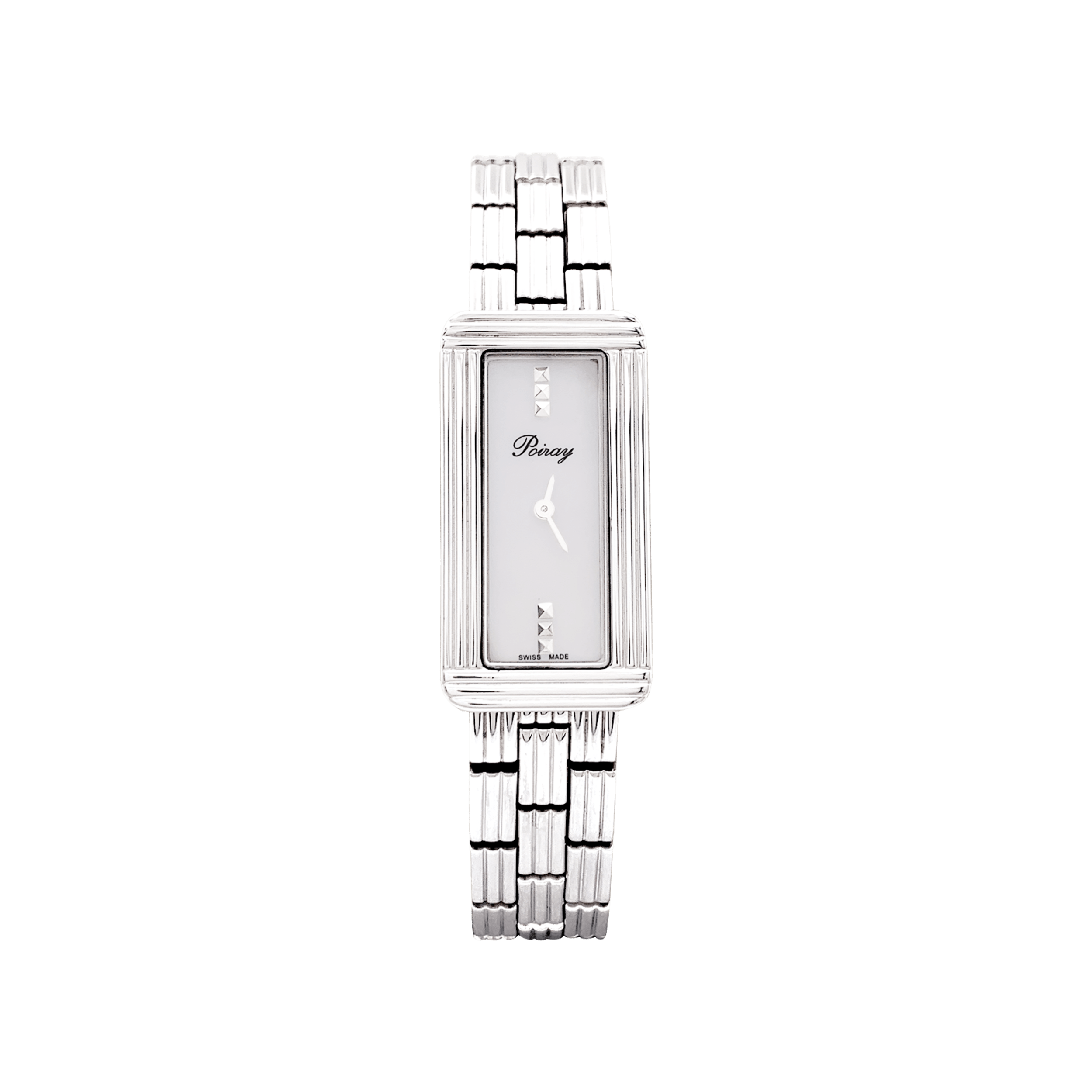
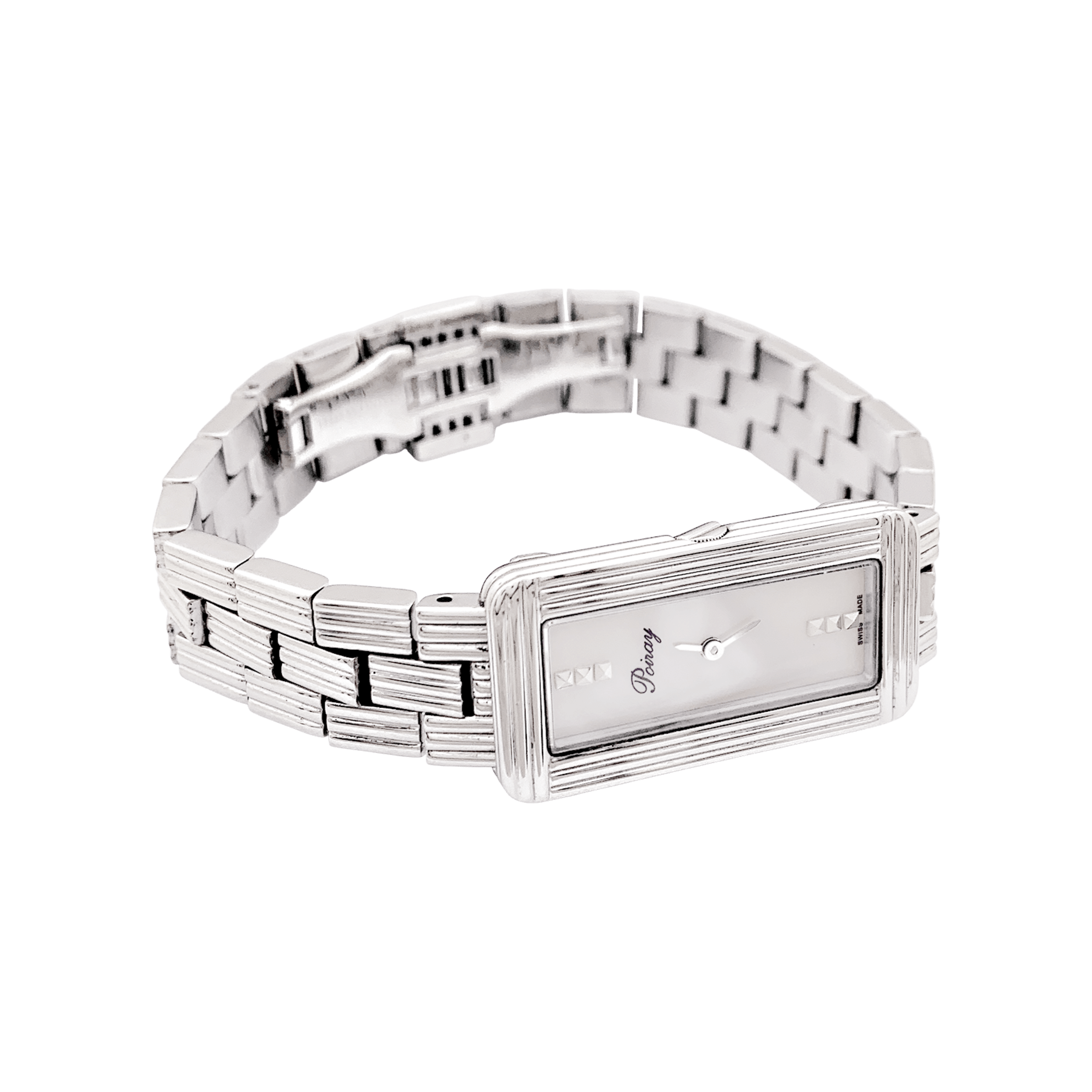
During the 80s, the watch was no longer seen merely as a timekeeper, but as a fashion accessory in its own right. This led to a boom in branded watch sales and fundamentally shifted watch marketing. Consumers began prioritizing aesthetics and design over the underlying manufacturing technology.

When Design Outshone Technology: The Swatch Revolution
The story began in 1983 when the Swiss watchmaker ETA unveiled its very first timepiece—a watch unlike any other. Featuring a colorful dial, a quartz mechanism, and a vibrant plastic case and strap, it was sold for the modest sum of 50 CHF and named Swatch. Success was instantaneous: over a million Swatch watches were sold in the first year alone. Young consumers, always on the hunt for the latest trends, were hooked. Swatch established itself as the pioneer of fashion watches, and the brand continues its impressive ascent to this day.
Guess and Fossil Claim Their Market Share
Inspired by Swatch’s success, American brands Guess and Fossil also entered the fashion watch market, but with their own distinct, well-honed strategies.
Guess chose to sell its watches without a box, contrasting with Swatch’s colorful plastic packaging. The American brand offered vintage-inspired designs featuring leather straps and metal cases. While their price point was slightly higher than Swatch, the brand committed to releasing five collections a year, compared to Swatch’s two.
Fossil, on the other hand, bet on the exceptional design of its packaging. While Swatch used plastic, Fossil’s watches came in metal tins decorated with 1950s-style artwork. For the watches themselves, Fossil opted for stainless steel cases and dials paired with leather straps. Consumers flocked to these timepieces, and the metal tins became sought-after collectibles.
When Swatch opened its own dedicated boutiques, it proved to be a windfall for Guess and Fossil, as the two American giants effectively absorbed Swatch's market share within major department stores.
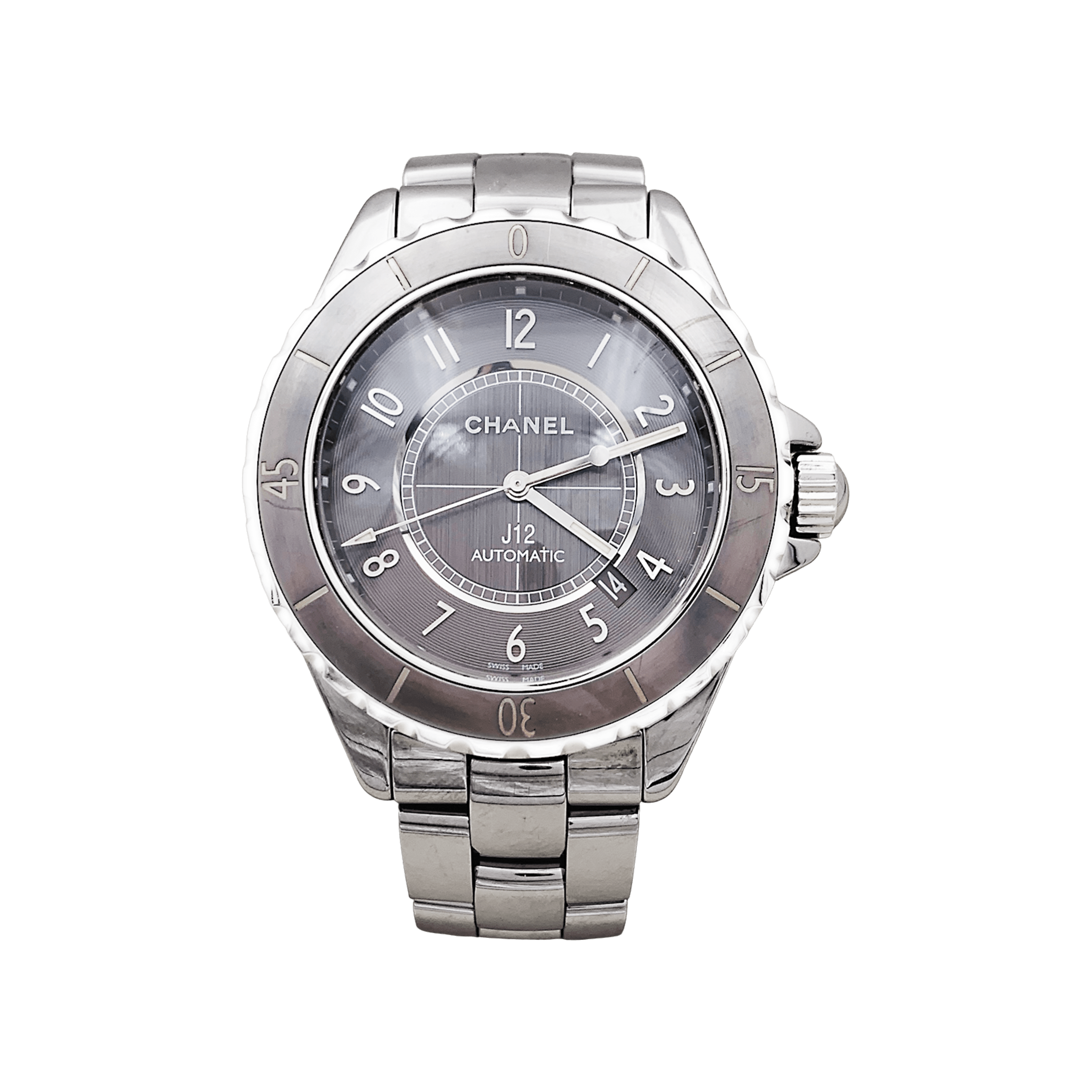
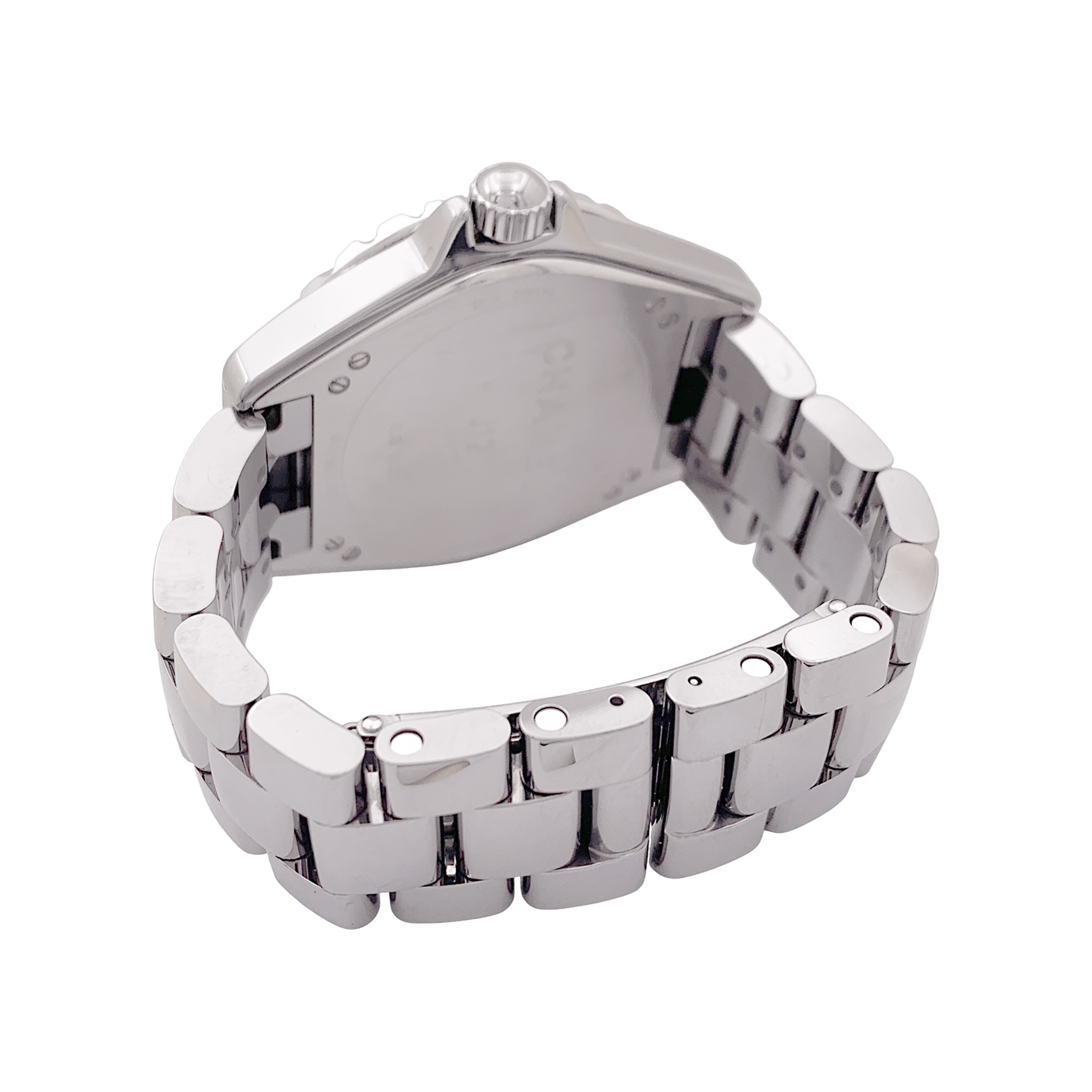
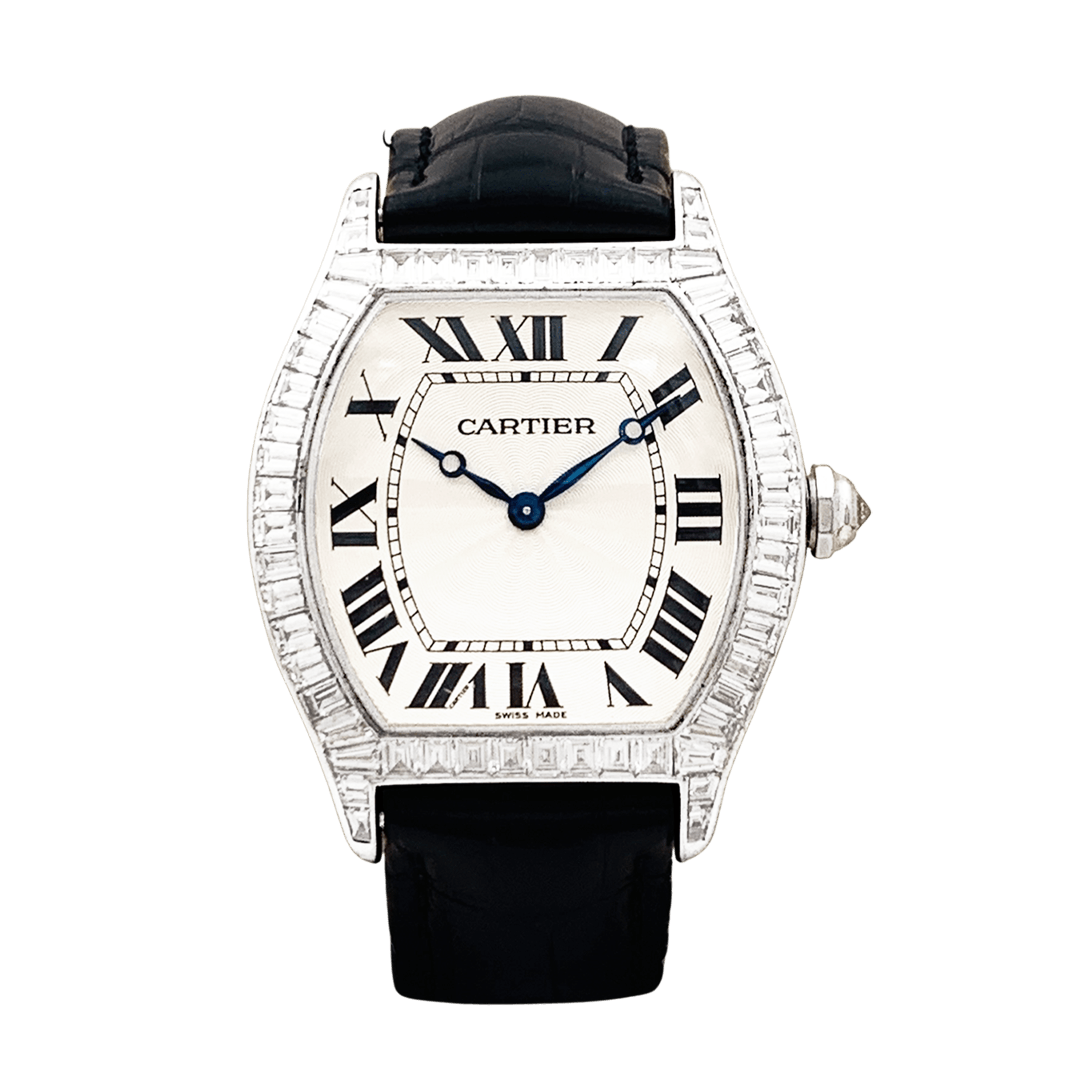
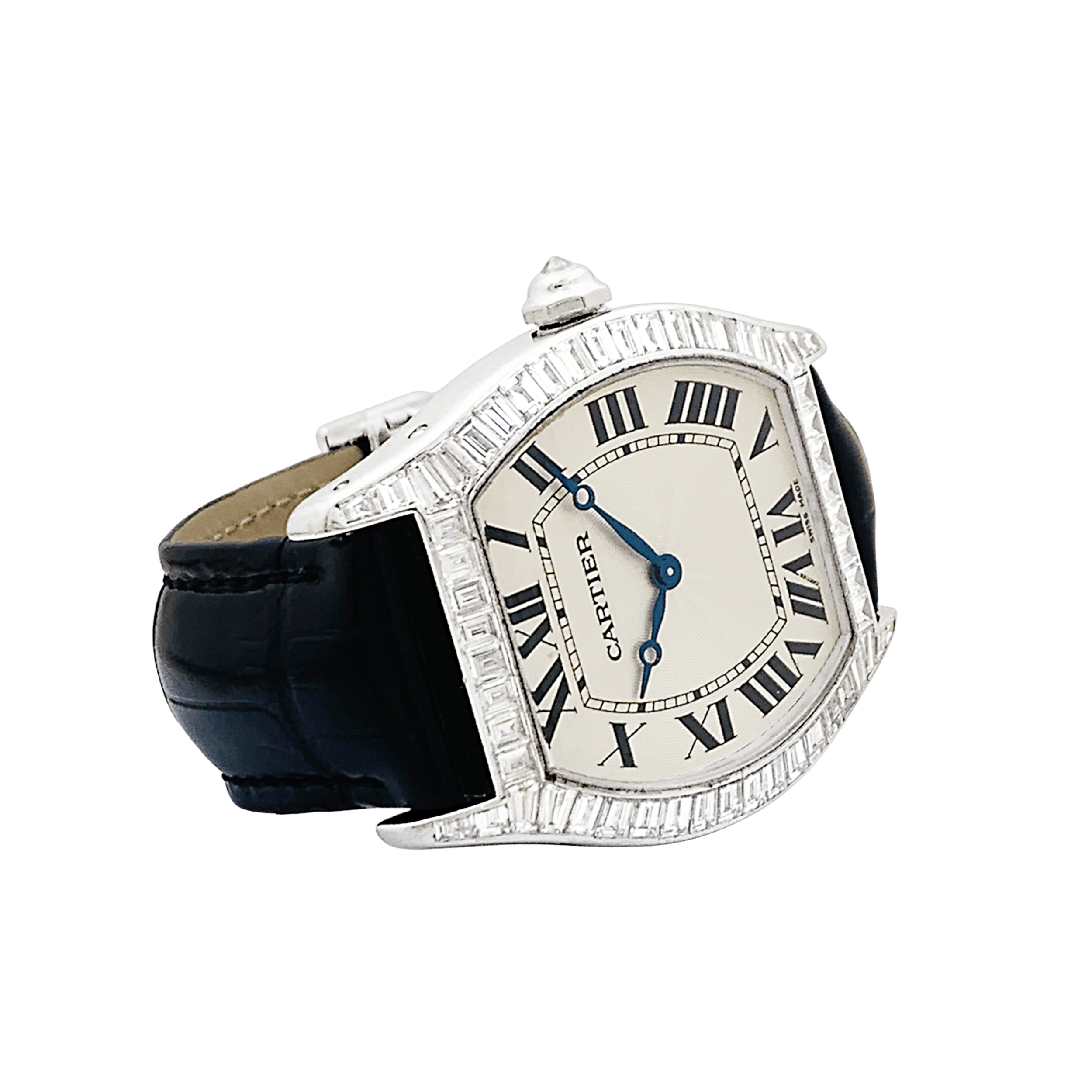
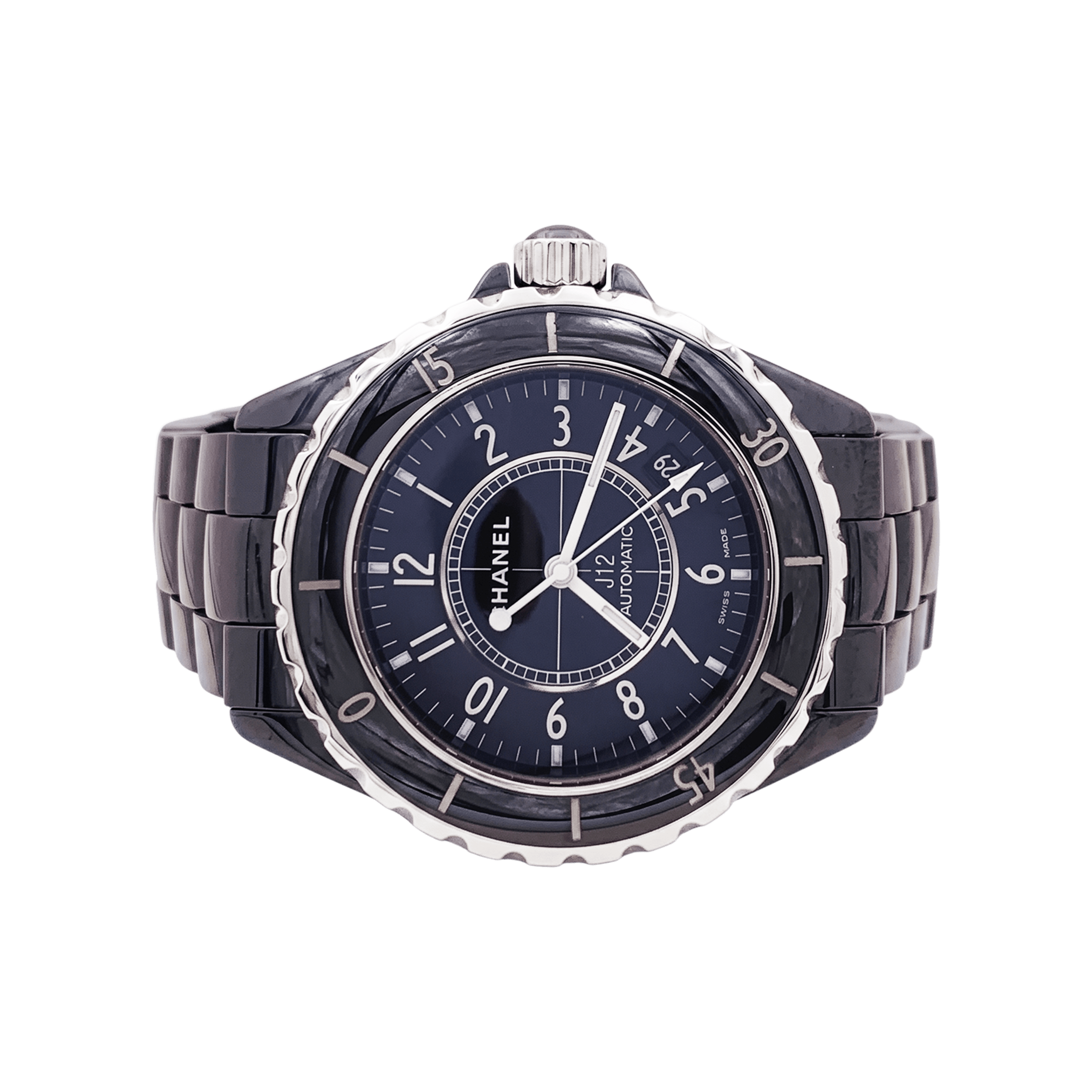
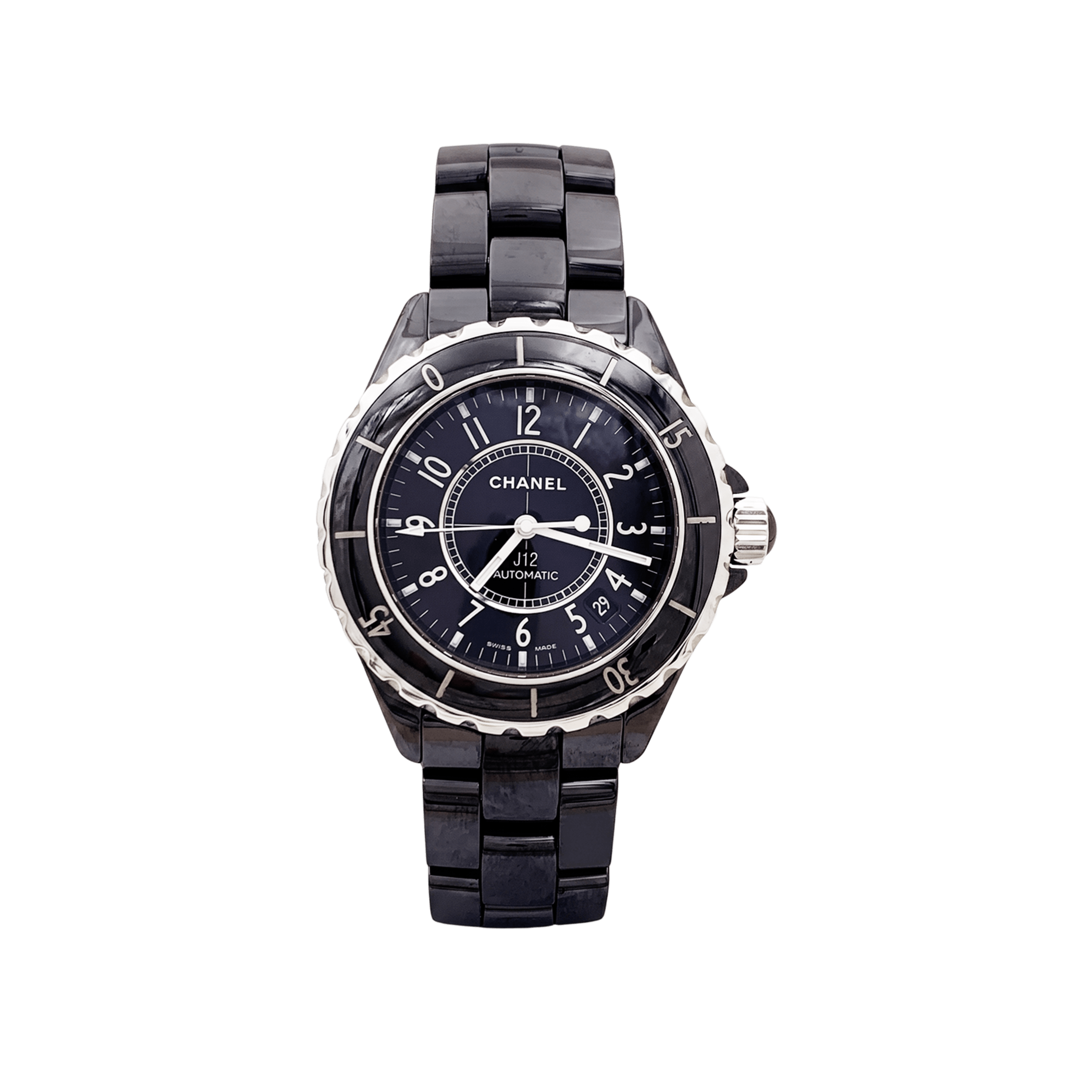
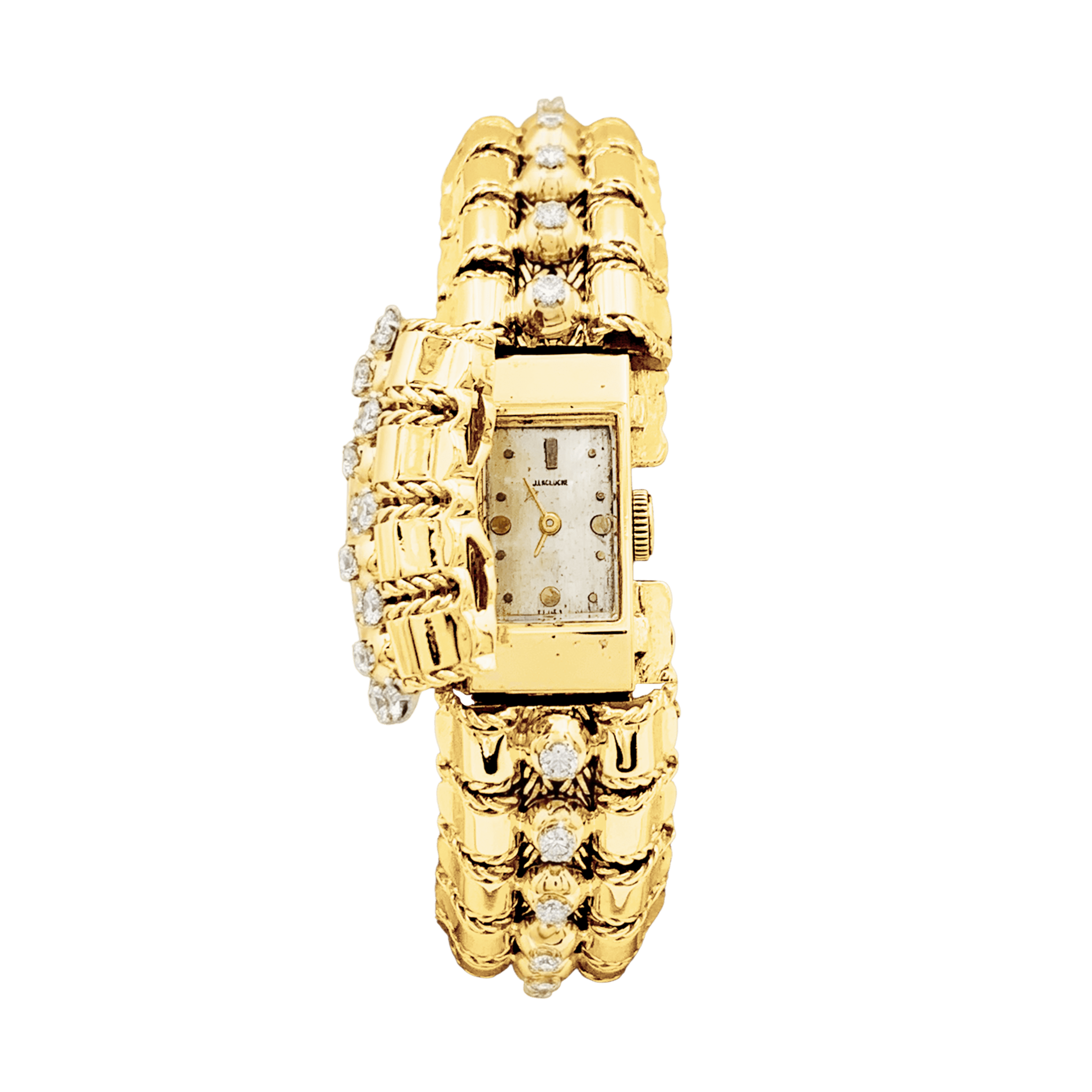
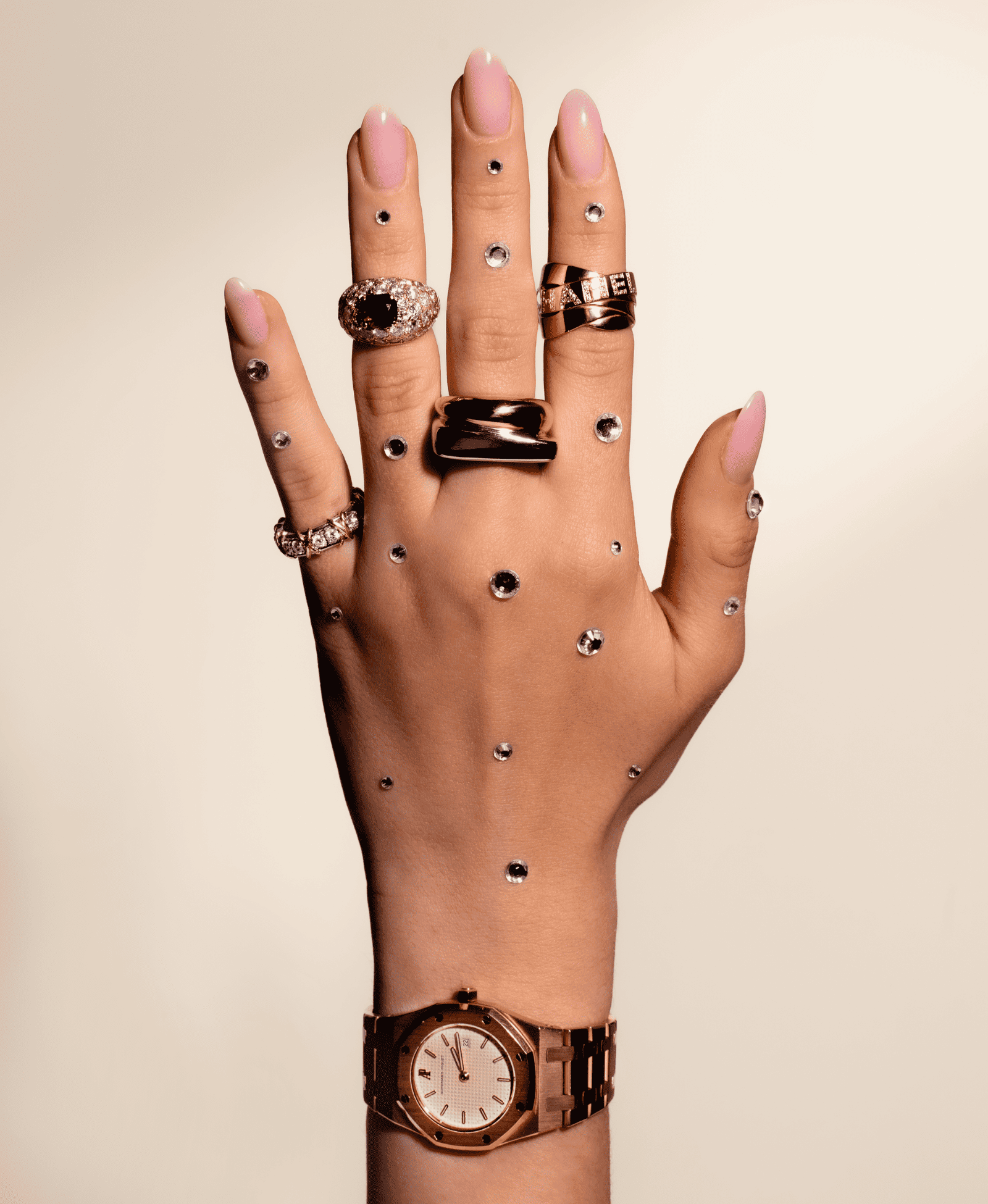
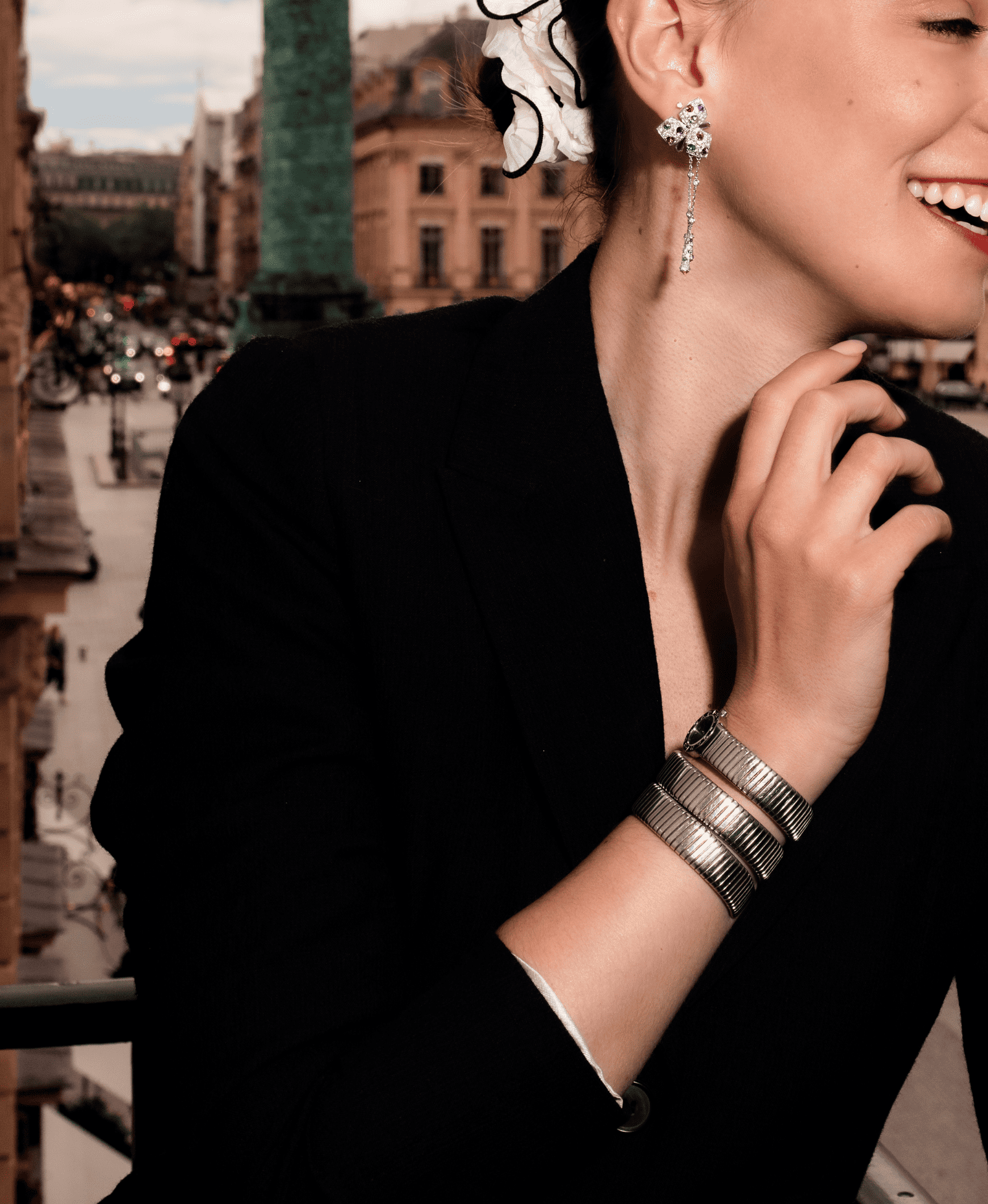
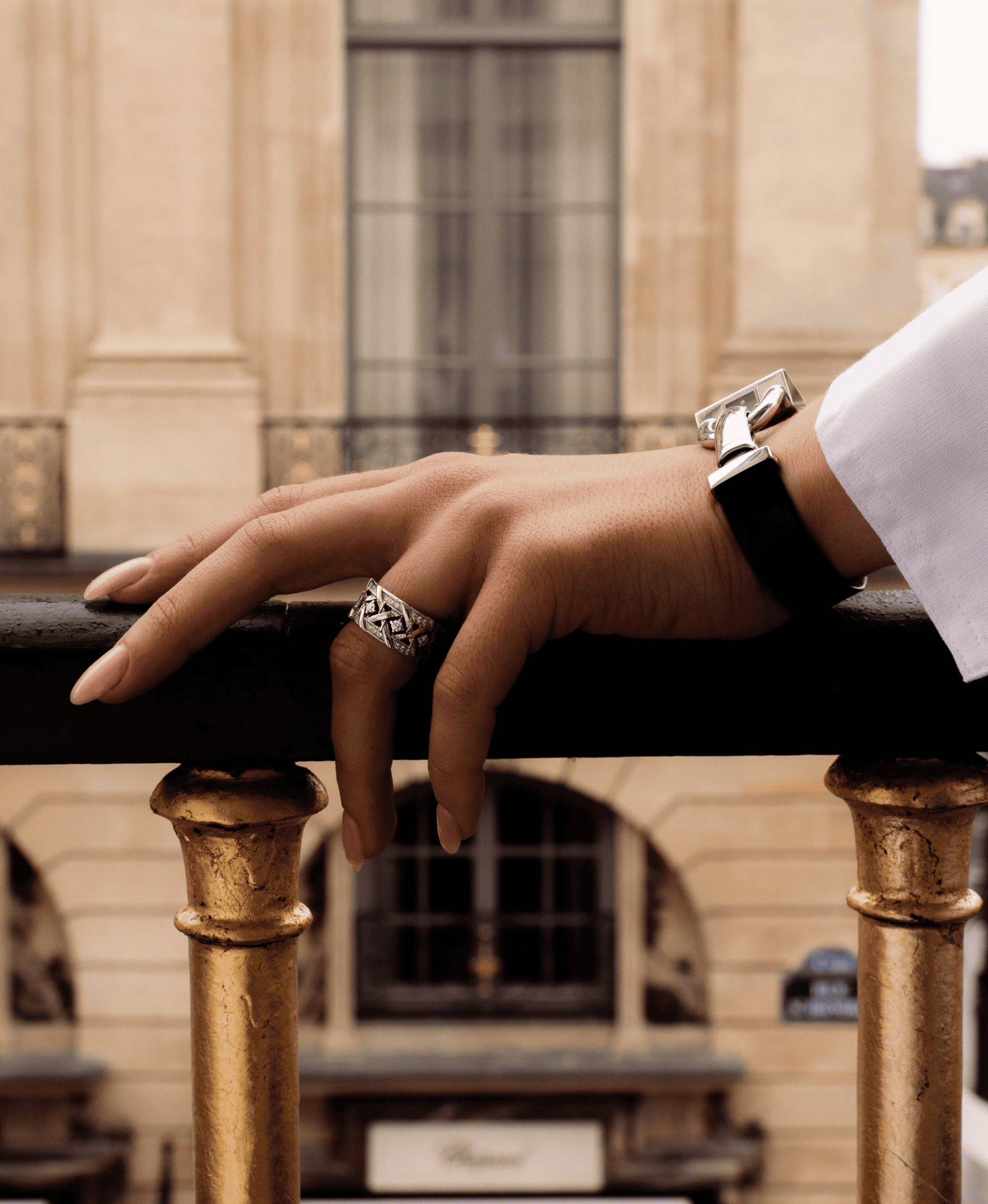
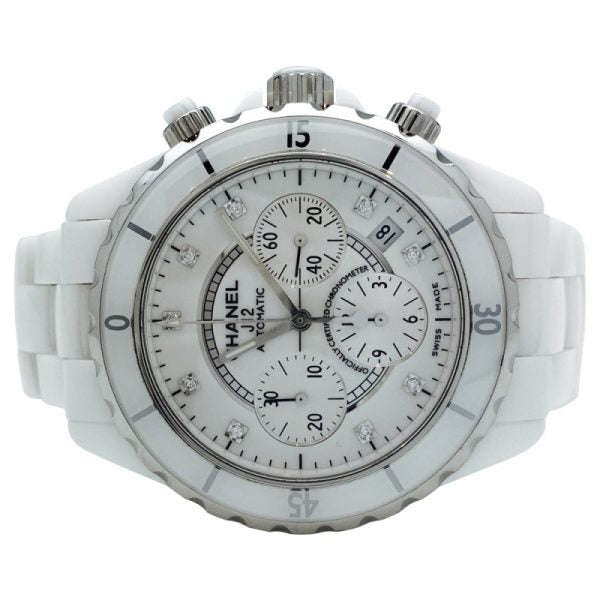
In Europe, major fashion houses like Chanel and Louis Vuitton unveiled their first luxury watches in collaboration with established manufacturers. The watch began its transformation into jewelry, moving far beyond being a simple accessory.
Ready-to-Wear Giants Enter the Watchmaking Arena
By the mid-90s, it was the turn of major ready-to-wear brands to make their move into watchmaking. Unlike Swatch, Guess, or Fossil, they often took a more streamlined approach. Rather than building their own watchmaking infrastructure from scratch, these fashion brands signed licensing agreements with major horological houses.
This strategy allowed fashion labels to avoid the massive investment required to create a watch brand from the ground up. Numerous brands, including Liz Claiborne, Adidas, Ellesse, Yves St-Laurent, Stefanel Tempo, Kenneth Cole, and Coach, released their own watch collections, featuring stunningly designed timepieces.

In 1996, Calvin Klein collaborated with the Swiss watchmaker Swatch to create two lines: cK watch and Calvin Klein. Meanwhile, the leather goods specialist Coach relied on the expertise of watchmaker Movado to produce the timepieces its customers had long been requesting. In other instances, it was the watch companies themselves that initiated these collaborative projects.
While ready-to-wear brands and American watchmakers were thriving, the Japanese brand Seiko faced a different reality. The company reported hundreds of millions of dollars in losses over a five-year period. This significant setback was due to an unfavorable yen/dollar exchange rate, stiff competition from Citizen and Bulova in the US, and a saturated market.
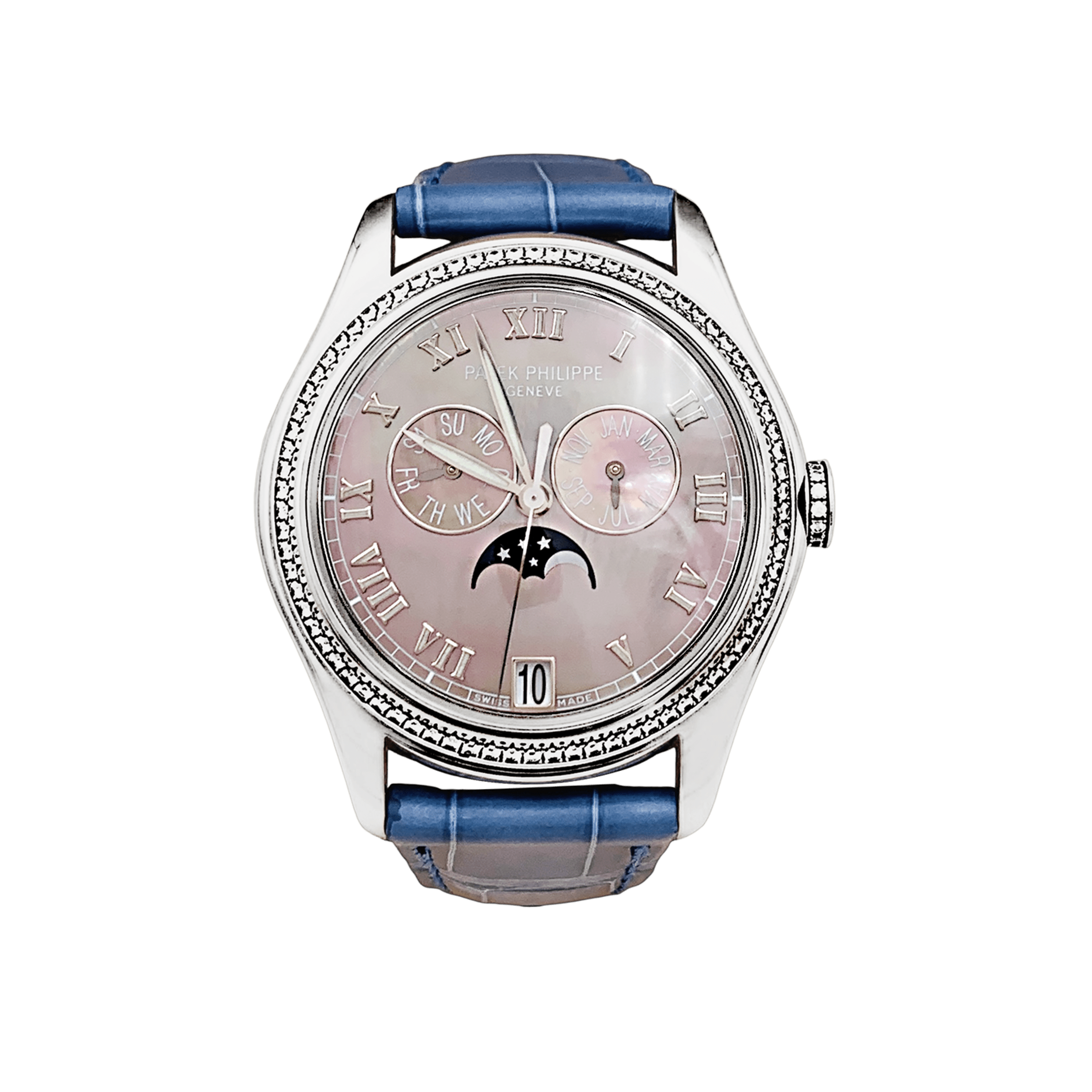
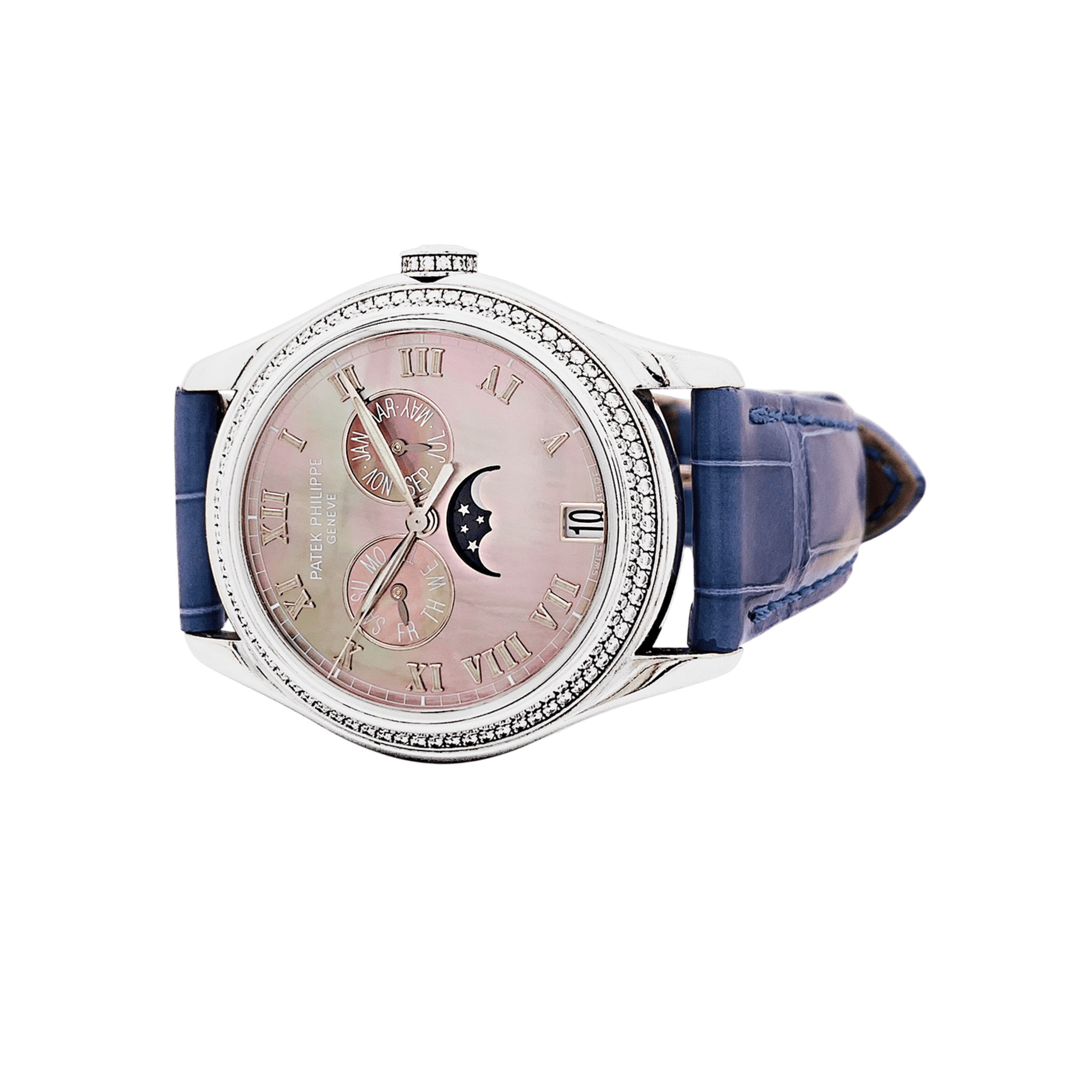
Recognizing the bright future of licensed fashion watches, more brands joined the fray. High-end luxury houses like Chanel and Gucci created jewelry watches to give their timepieces a more prestigious, upscale image.
The Democratization of the Global Watch Market
The 90s saw various brands transform into watch houses. Zippo, the American lighter manufacturer, and Range Rover, the British automotive brand, both began designing men's watches. They were joined by the likes of Caterpillar, eyewear specialist Oakley, Converse, Pepsi, Smith & Wesson, and many others.
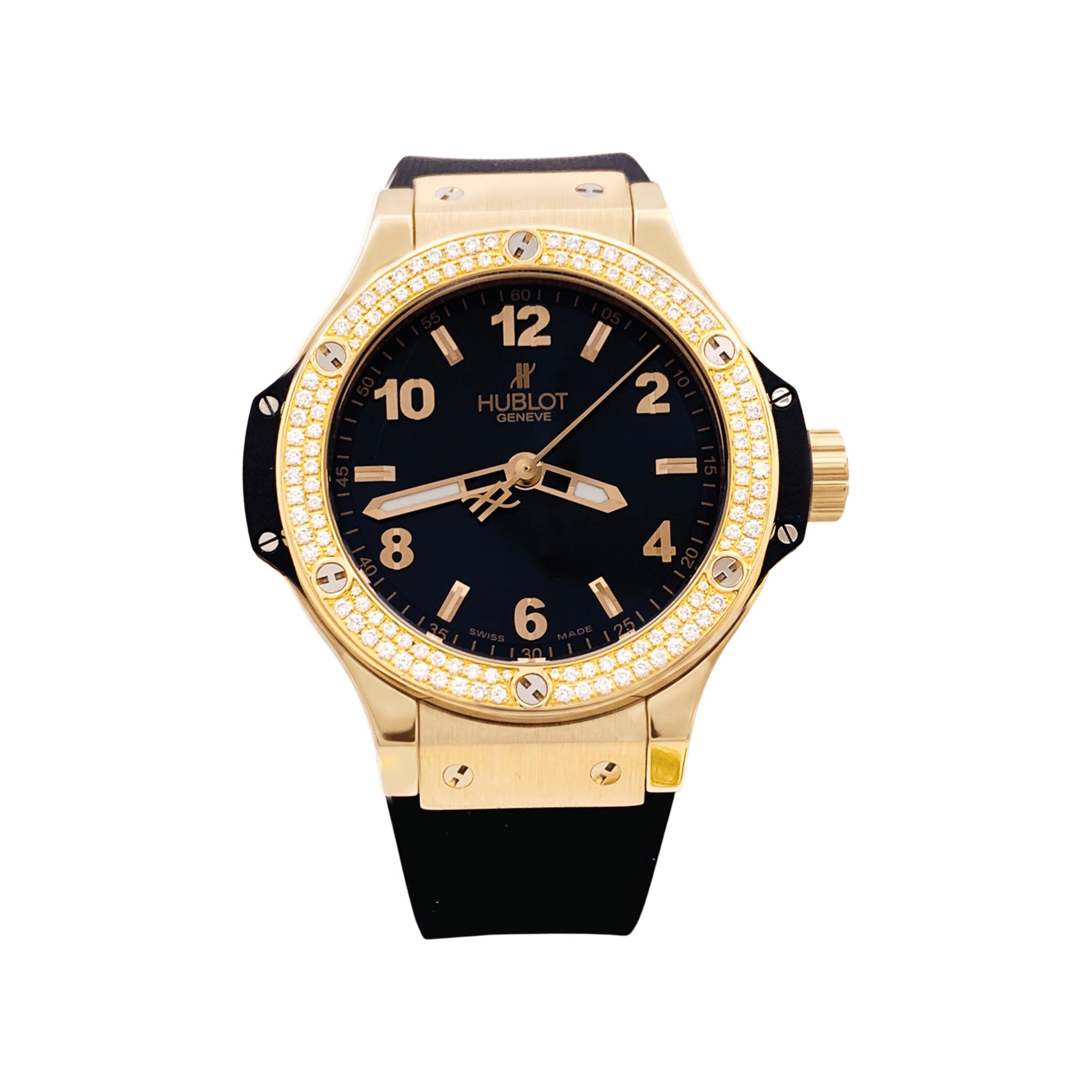
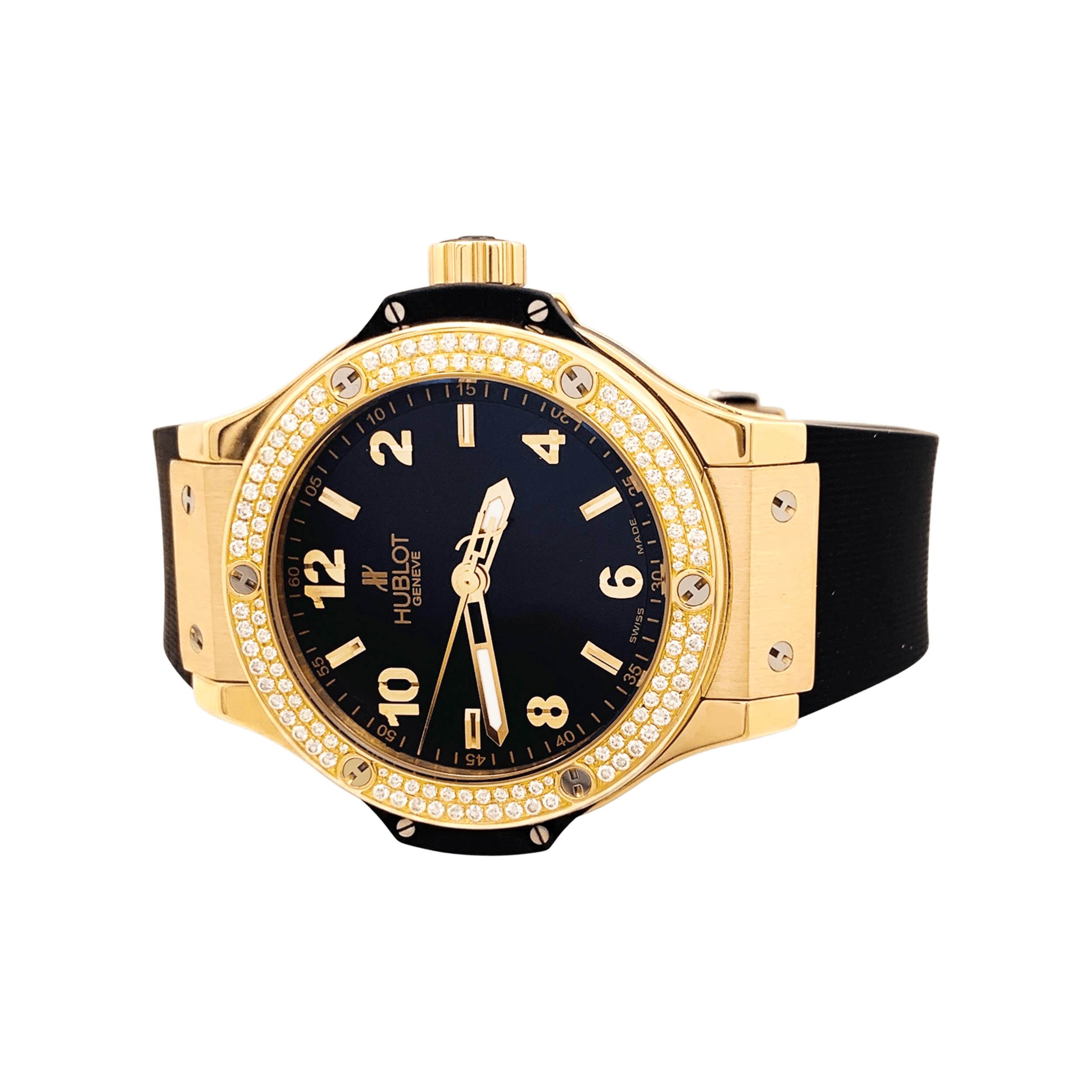
Today, global watch production exceeds one billion pieces annually. In 2014, Fossil noted that the fashion watch market alone was worth nearly $35 billion. While this figure has dipped slightly in recent years due to declining department store footfall and the rise of the Apple Watch, luxury watches continue to captivate jewelry enthusiasts. Brands like Louis Vuitton, Hermès, Gucci, and Chanel have clearly understood this enduring appeal.