
How do I know if my pearl necklace is valuable?
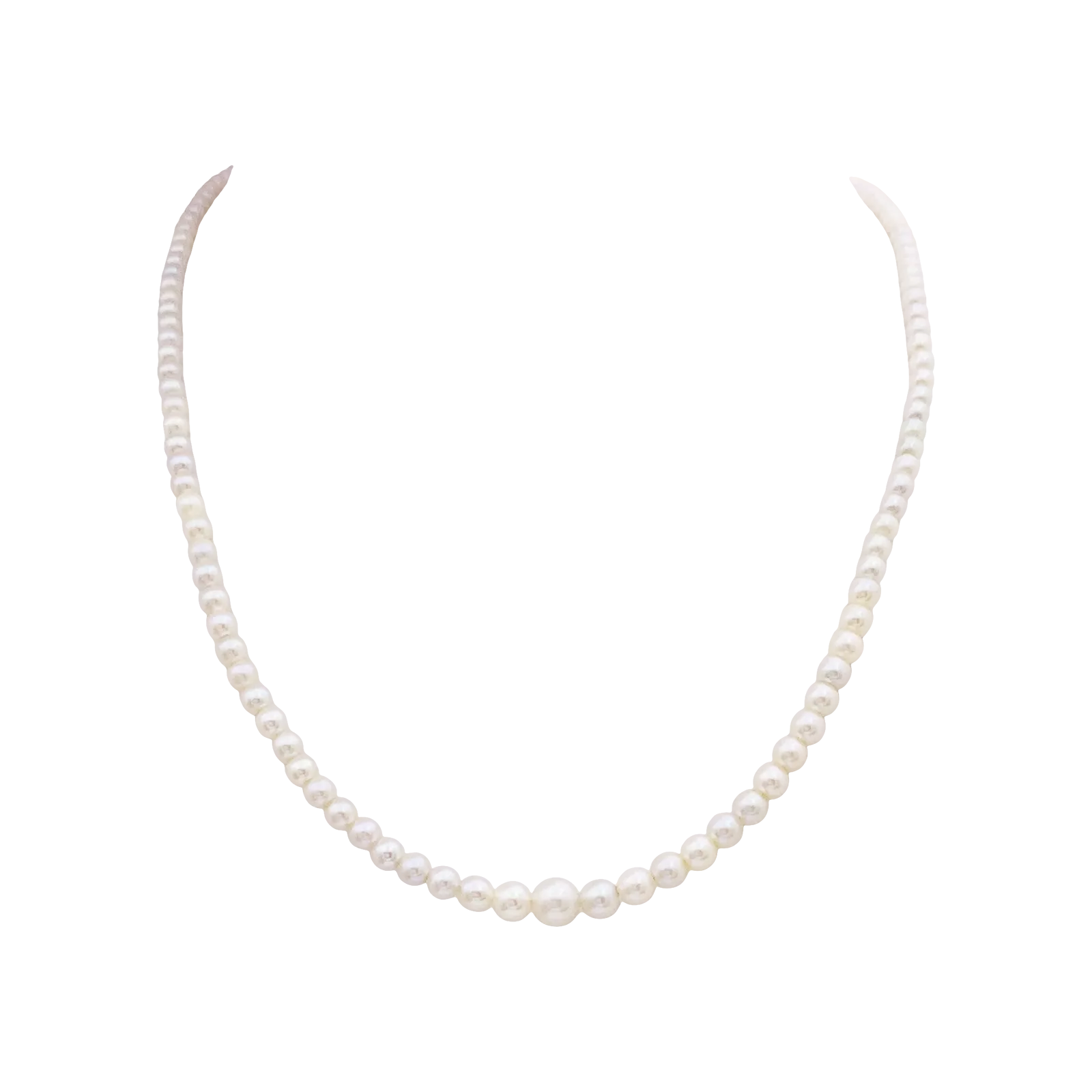
Pearls, a symbol of elegance for centuries, continue to fascinate lovers of luxury jewelry. However, assessing the value of a pearl necklace can be complex, as many factors influence its valuation. Here is everything you need to know to recognize real pearls and determine their price.
Understanding the nature of pearls: natural or cultured
The first criterion determining the value of a pearl jewel is the nature of the pearls themselves. There are two main categories:
Natural pearls
Originating from oysters, they form naturally without human intervention. These rare and precious pearls currently represent less than 1% of the market. A natural pearl necklace can reach astronomical prices.
Cultured pearls
Obtained through human intervention, these are more accessible. Akoya, Tahitian, and freshwater pearls dominate the cultured pearl segment. Each variety has its own specific characteristics in terms of color, size, and luster.
Key criteria for assessing the value of a pearl necklace
Several factors can help you judge whether a pearl necklace deserves luxury status.
The importance of pearl origin
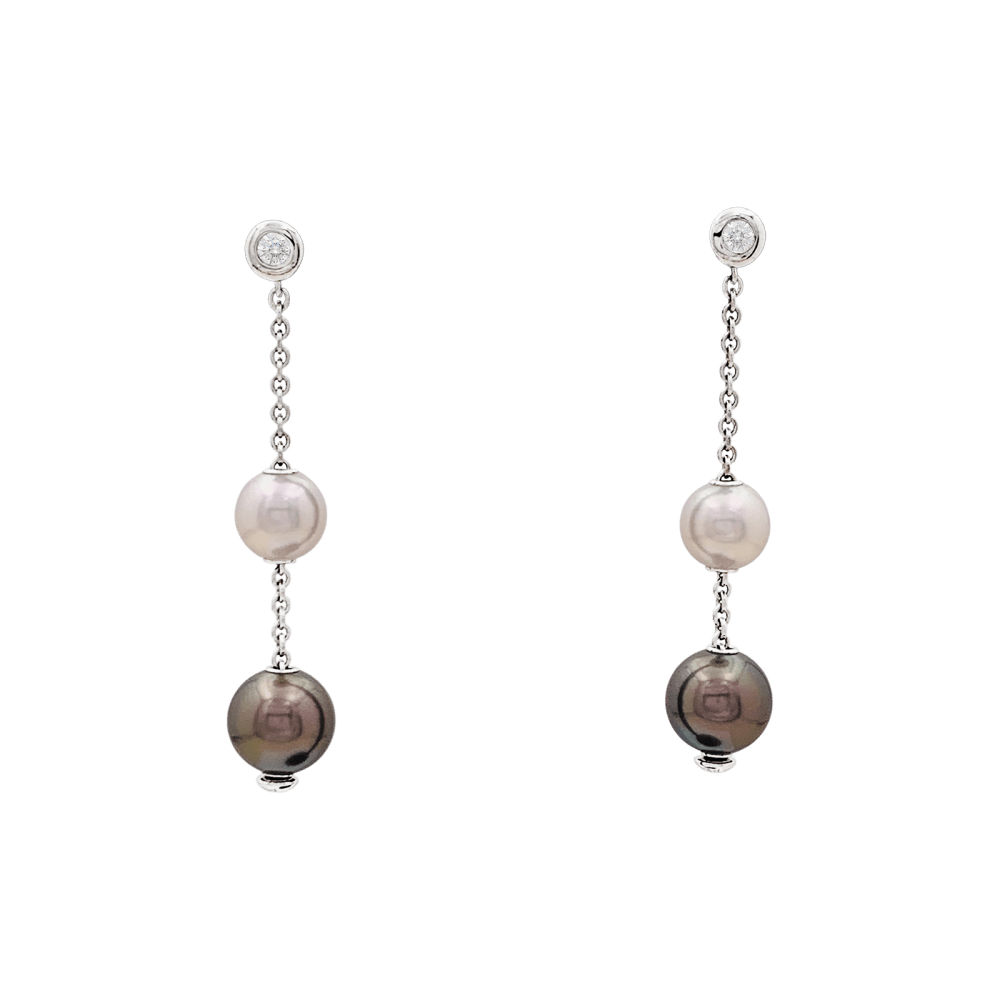
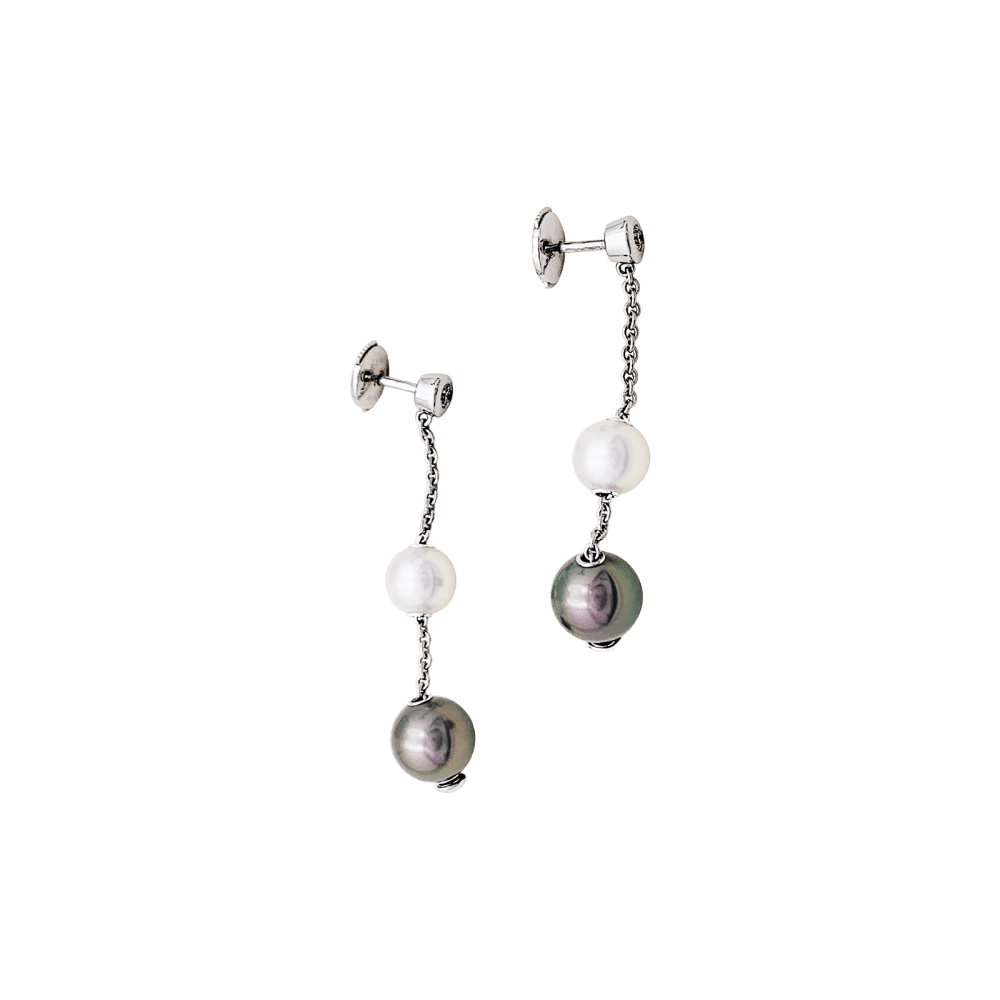
The origin of pearls plays a crucial role in their value. Akoya pearls, cultivated in Japan, are prized for their brilliant luster. Tahitian pearls are distinguished by their dark, mysterious colors, while South Sea pearls, produced around Australia and Papua New Guinea, are renowned for their impressive size and golden hues.
Pearl size
Larger pearls, exceeding 8 mm, are generally more sought after. Tahitian pearls, for example, can reach impressive diameters.
Pearl shape
Perfect roundness is rare and highly prized. Baroque pearls, although less conventional, are nonetheless seductive due to their uniqueness.
Luster and Orient
An intense luster and a clear reflection of light on the surface are indicators of high quality. Orient, that subtle iridescence, also adds significant value. In Tahiti, the nacre layer must be at least 0.8 mm for the pearl to be authorized for sale.
Pearl surface
Imperfections, such as spots or irregularities, decrease value. A smooth surface is a sign of superior quality.
Color
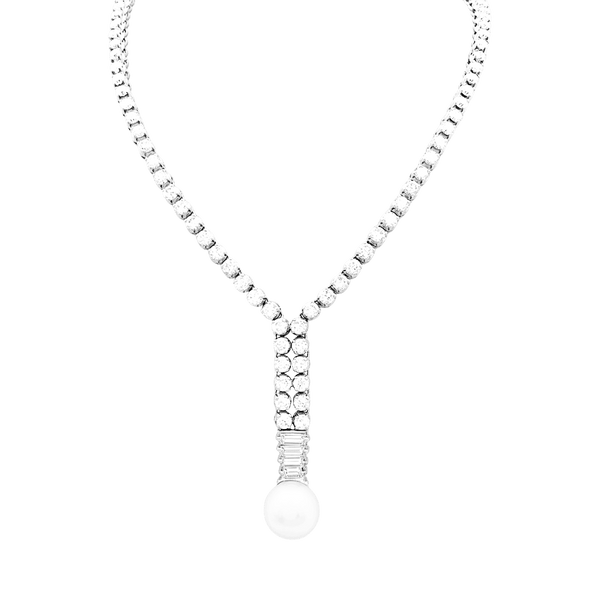
Classic white pearls remain timeless and in high demand. However, rare colors like the deep black of Tahitian pearls or the golden hues of South Sea pearls are also highly prized in luxury jewelry.
Pearl Grading: A System for Assessing Quality
In jewelry, pearls are graded according to specific criteria to assess their quality, similar to the 4Cs of diamonds. The most commonly used grading systems include:
The Tahitian ABCD system
This system, used mainly in French Polynesia, grades pearls on four levels of quality, with A being the highest. Grade A pearls have a near-perfect surface with exceptional luster, while grade D pearls have more visible imperfections.
The Asian AAA-AA-A system
Used primarily for Akoya and freshwater pearls, this system classifies pearls according to their roundness, luster, and surface quality. AAA pearls are considered the most valuable due to their perfectly round shape and intense luster.
Size classification
Pearls are also valued based on their diameter, measured in millimeters. Larger pearls, especially those exceeding 8-10 mm, are the most valuable.
Authenticity: Distinguishing Real Pearls from Imitations
To ensure the value of your pearl necklace, it is essential to confirm its provenance and authenticity. Here are some simple tests to perform:
- The Tooth Test: Gently rub the pearl against the edge of your tooth. A real pearl will feel gritty or sandy, while an imitation will feel smooth.
- The Rub Test: Gently rub two pearls together. If a fine pearl powder appears, it indicates they are genuine.
- Observation under light: Real pearls have slight variations in color and a non-uniform surface, unlike synthetic pearls which often appear too perfect.
- Professional analysis: If in doubt, consult an expert or a specialized laboratory for a thorough examination.
Average price of a pearl necklace
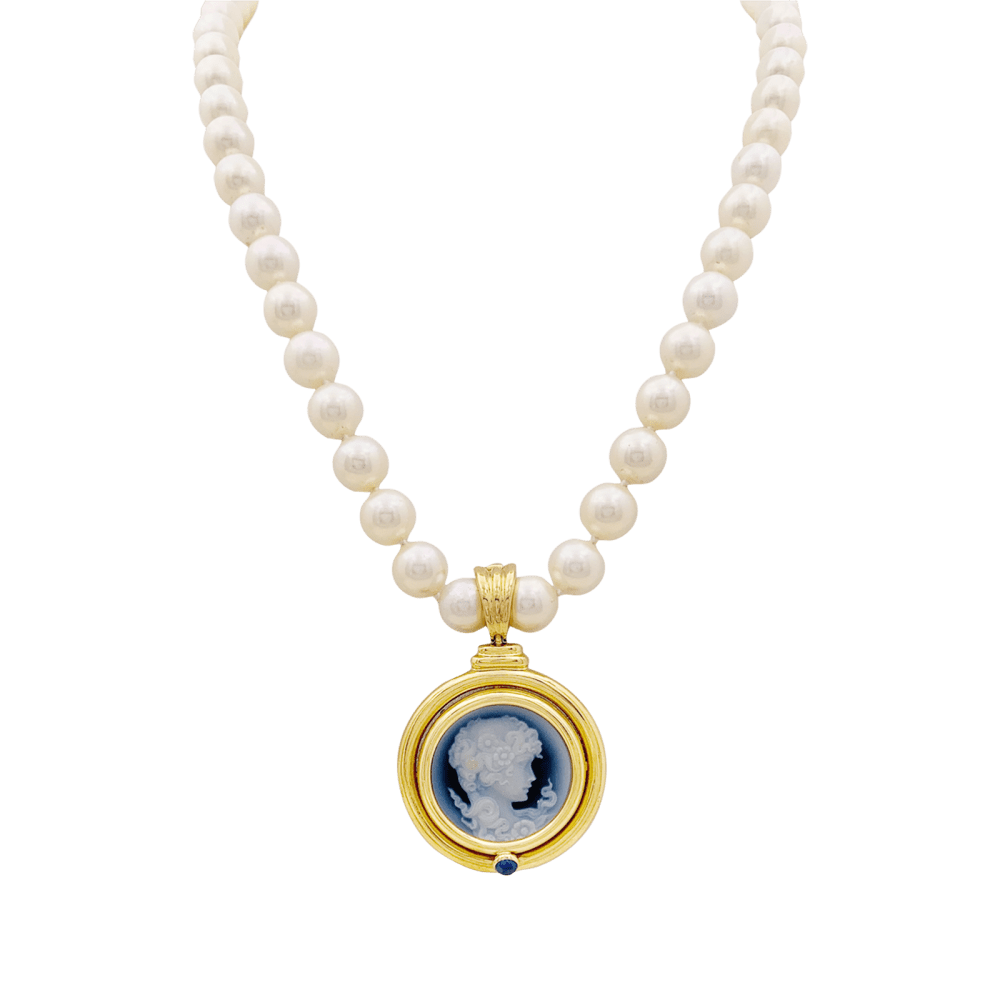
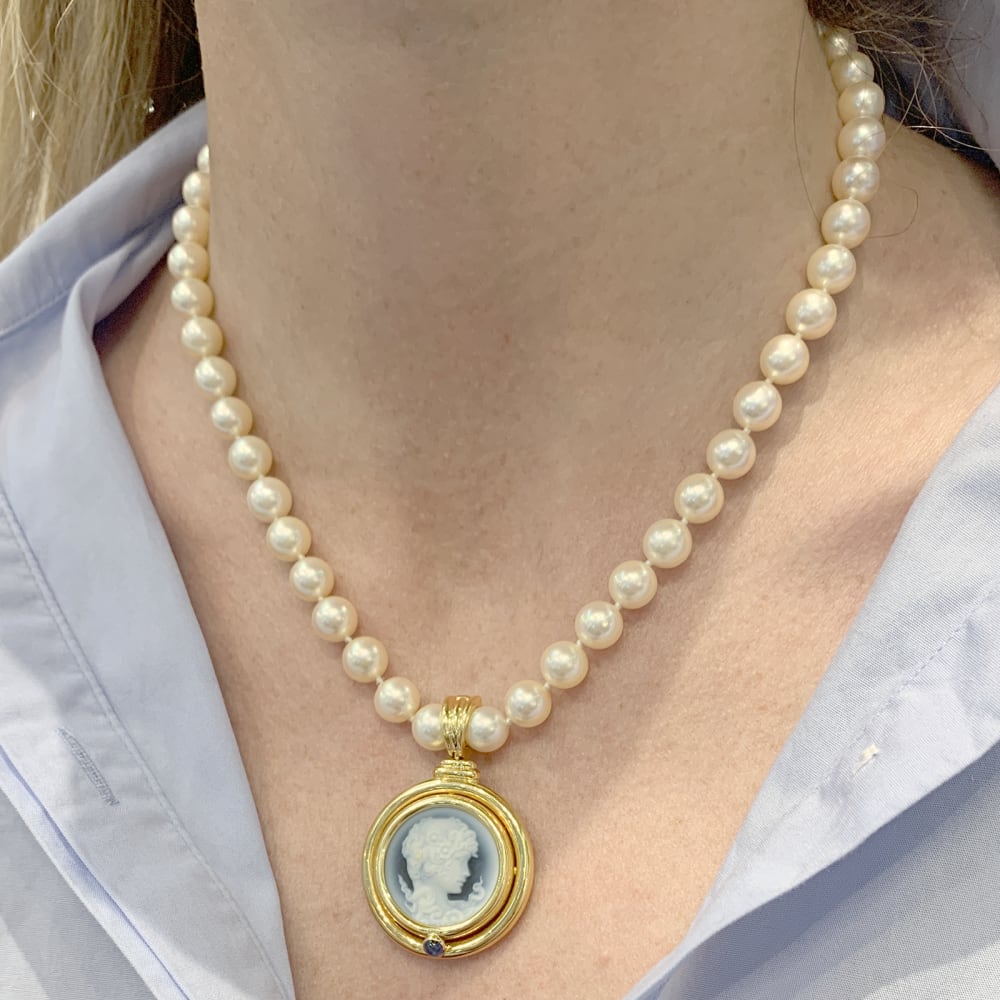
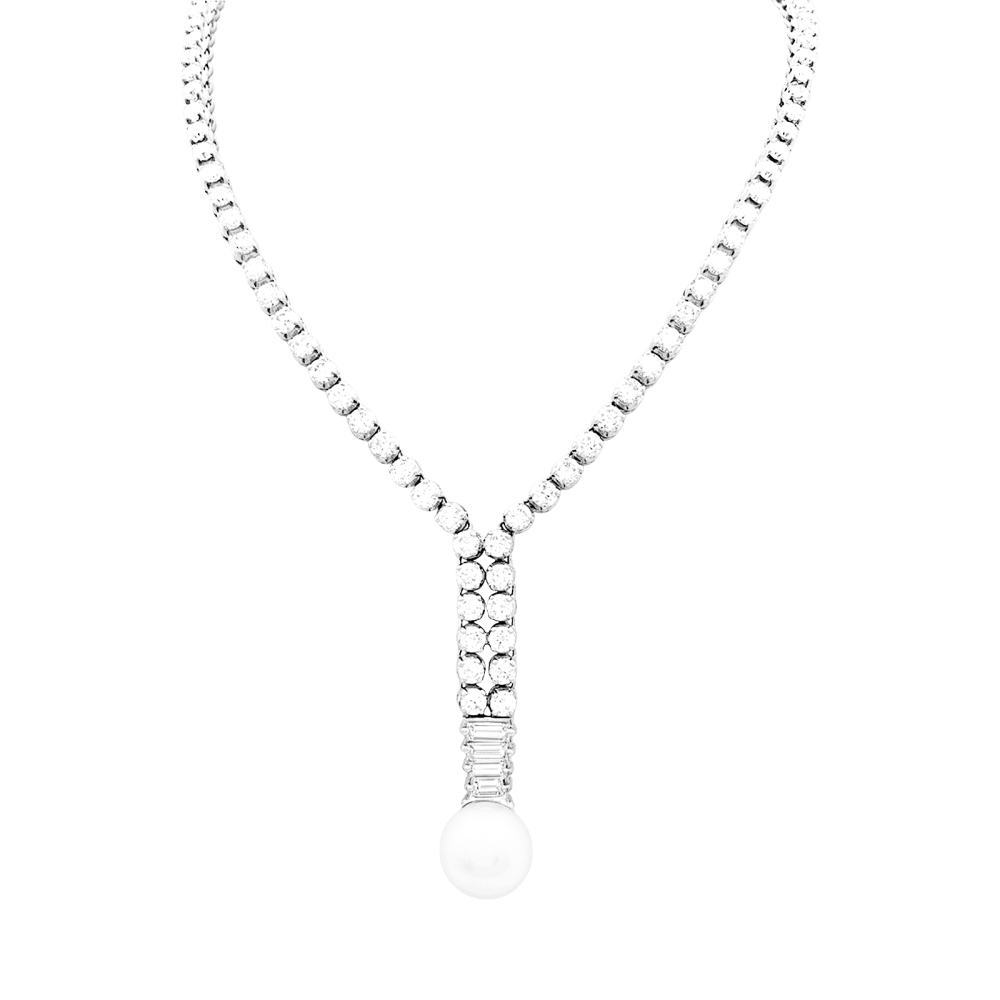
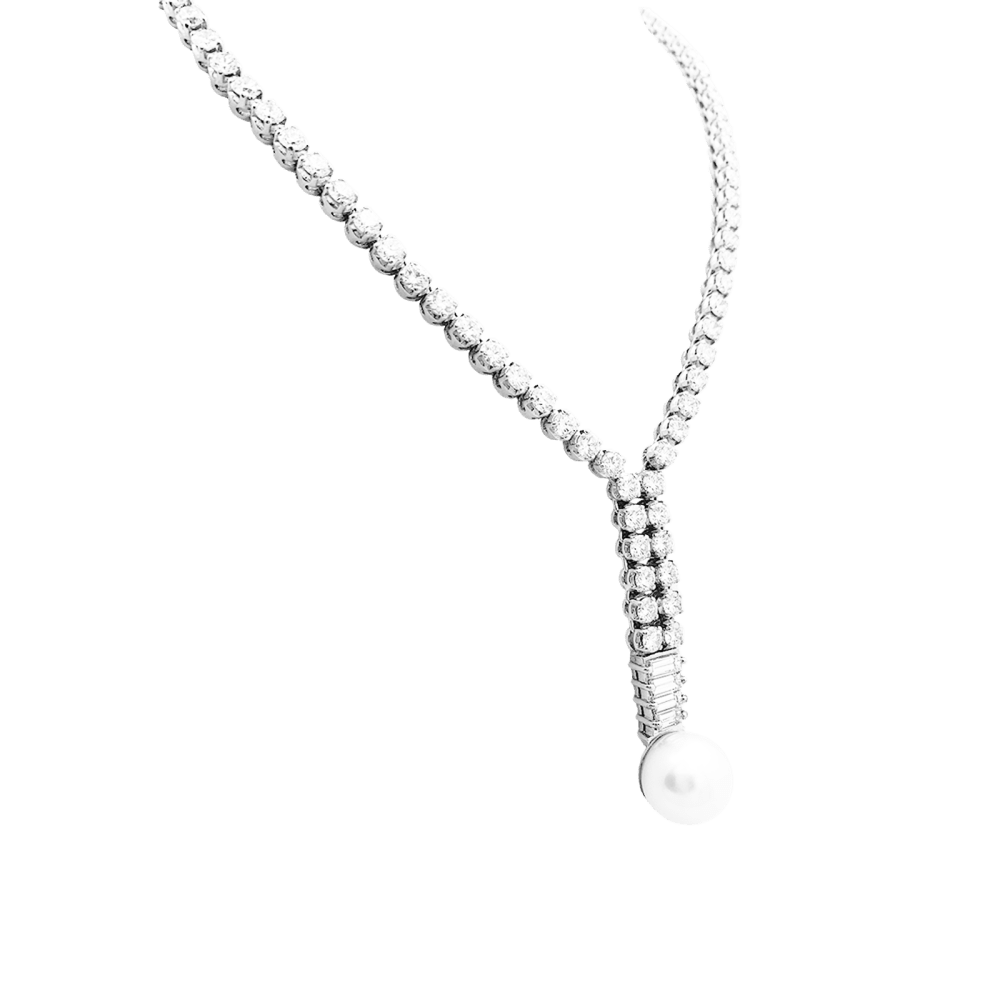
The price of a pearl necklace varies greatly depending on the origin of the pearls, their size, the presence of precious metals (such as a pendant), and the jewelry House that designed it. An antique pearl necklace with historical value will also command a higher price. However, here are some indicative price ranges:
| Type of pearls | Average price (in €) | Main features |
|---|---|---|
| Natural pearls | 10,000 - 50,000+ | Rare, naturally formed, highly sought after |
| Akoya pearls (cultured) | 500 - 5,000 | Classic look, high luster, smaller sizes |
| Tahitian pearls (cultured) | 1,000 - 10,000 | Dark colors, medium to large sizes |
| South Sea pearls (cultured) | 2,000 - 20,000 | Gold or white shades, large dimensions |
| Freshwater pearls (cultured) | 200 - 2,000 | Variety of shapes and colors, accessible |
You can also browse our pearl jewelry for sale by clicking the button below:
Tips for preserving the value of your pearl necklace
- Regular maintenance: Clean your pearls with a soft, damp cloth and avoid contact with perfumes or chemicals.
- Proper storage: Keep your pearl necklaces separate from other jewelry to avoid scratches.
- Certificate of Authenticity: If you are considering selling, a certificate issued by an expert will significantly increase buyer confidence.