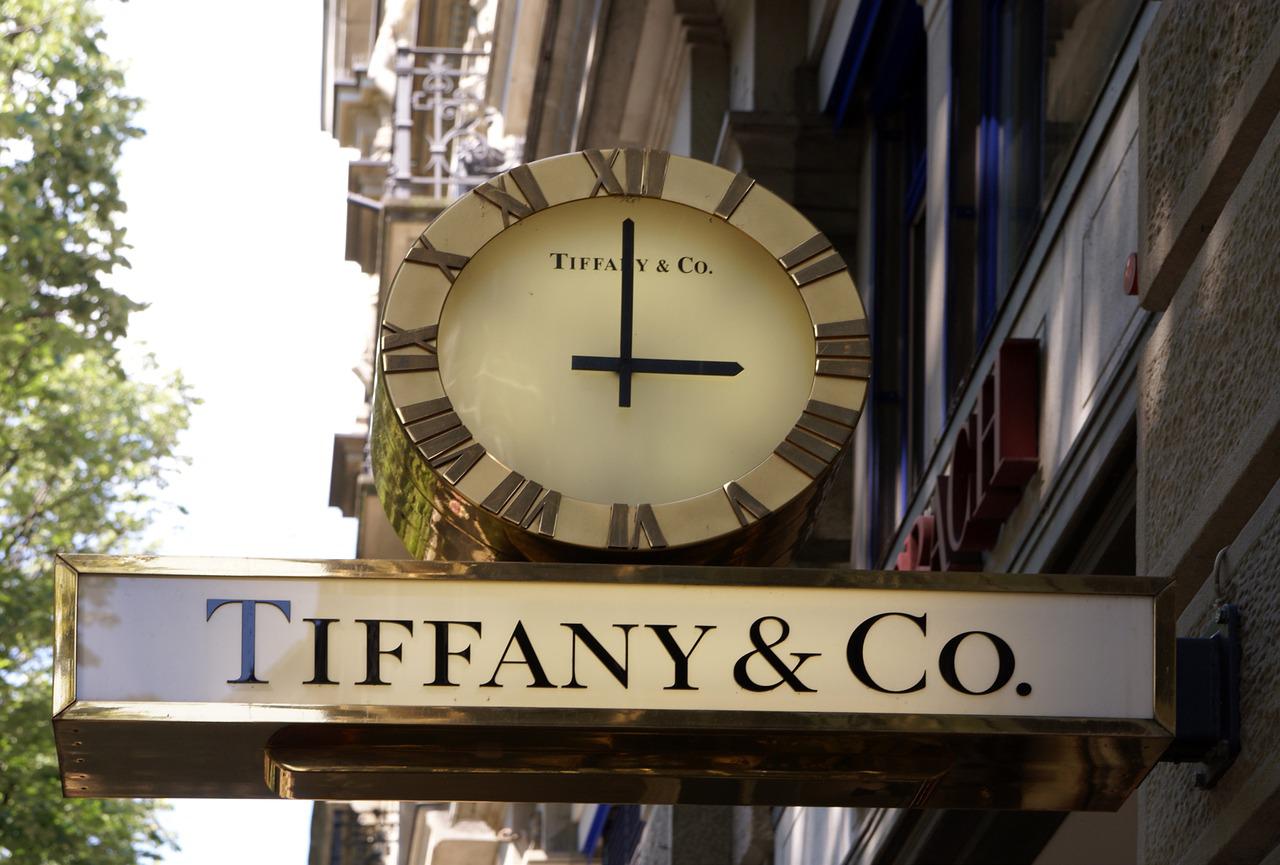
Tiffany's: a luxury jewelry brand undergoing a complete metamorphosis
Legendary jeweller Tiffany's is the largest acquisition ever made by LVMH. Its future depends on Bernard Arnault's 30-year-old son, Alexandre.
The LVMH strategy applied to Tiffany's
Since transforming Louis Vuitton, Bernard Arnault has pursued a simple yet effective strategy. It involves acquiring respected but somewhat outdated brands. He then modernizes their management, marketing, and operations. The whole is then integrated into the ever-growing LVMH empire.

From Christian Dior to Fendi and Bulgari, acquisition prices have steadily increased as targets have become scarcer. Last year, Arnault made his biggest bet with Tiffany & Co. With this $16 billion acquisition, LVHM strengthened its presence in the fine jewellery market and in the United States.
Alexandre Arnault at the helm of Tiffany's turnaround
Alexandre Arnault, 30, the third of Bernard's 5 children, has been appointed to lead the clean-up operation. He will have to prove he can turn around one of the company's biggest brands. If he succeeds, he could become the heir to his illustrious father.
Among the Arnault offspring, Alexandre is often described as the most enterprising. He cultivates an image as an engaged and modern leader, regularly promoting Tiffany on his Instagram account while sharing carefully selected moments from his personal life.
Connected to the worlds of startups and street culture, Arnault counts among his contacts Snap Inc. founder Evan Spiegel, and Jay-Z. This gives an idea of how he plans to revamp the company. One of the priorities is to broaden the brand's customer base. Tiffany is still synonymous with jewellery bought for formal occasions (engagement rings, wedding bands...). The company is largely absent from areas such as luxury watches, handbags, and perfumes, strong categories for rivals like Hermès and Cartier.
Major LVMH brands give an insight into the strategy
LVMH's other major jewellery brand, Bulgari, offers some clues about the direction Tiffany might take. The Rome-based company has seen its revenues more than double since LVMH acquired it in 2011.
Tiffany will launch a new watch model before the end of next year, having recruited a former Chanel executive. The silver jewellery lines, including its Return to Tiffany bracelets and heart designs, will remain core offerings. Experimentation will also take place, for example with Supreme. LVMH understands that shaking up Tiffany will take time. Investors have been warned.

Offering high-end products is important, explains Stanislas de Quercize, former president in France of Richemont (Cartier and Van Cleef & Arpels). While affordable luxury helps attract customers, a successful brand image thrives on "dream prices," he says.
Pitfalls to avoid
Dusting off the legendary maker of engagement rings and diamond necklaces is a risky undertaking. The young Arnault has already experienced this. One of the first missteps was a marketing campaign whose name can be translated as "Not Your Mother's Tiffany." This campaign generated an immediate reaction on social media. It must be said that it went against the idea of the "family jewel" passed down from generation to generation, which was almost synonymous with Tiffany & Co.
The "Not Your Mother’s Tiffany" campaign ended after a short period, although Arnault claims that silver jewellery sales boomed shortly thereafter. "It must have been successful," he defends. "The buzz generated allowed people who had never heard of Tiffany to join the conversation."
Tiffany's: a more popular brand in Europe?
Growth opportunities also lie outside the United States. Tiffany & Co remains a brand heavily focused on North America. As such, a new flagship store will be created in Paris.