


Article: What is white gold?
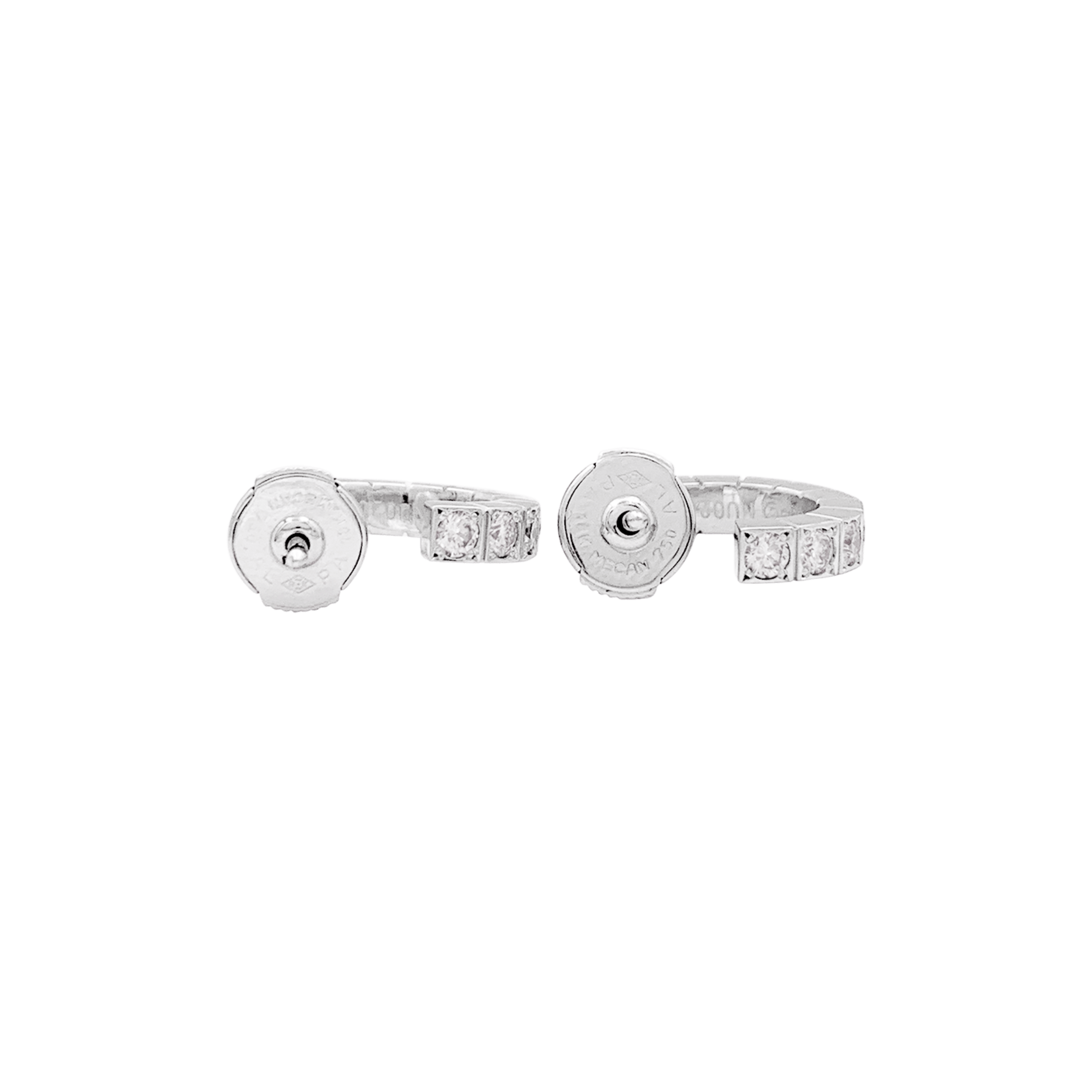
What is white gold?
White gold is one of the most popular metals in jewelry. Its elegant appearance, durability, and more accessible price than platinum make it a highly favored choice. However, white gold does not exist in its natural state: it is an alloy obtained by mixing pure gold with other metals. A rhodium plating then gives it its characteristic white luster.
In this comprehensive guide, you will find everything you need to know about white gold: its composition, history, properties, and how it compares to other precious metals.
Composition of white gold: what does it really contain?
Pure gold, known as 24-carat gold, is naturally yellow. To achieve the characteristic white hue of white gold, jewelers mix it with other metals. Each plays a specific role in the final alloy:
- Nickel: strengthens hardness and lightens the alloy's shade
- Palladium: resists oxidation and improves durability
- Silver: adds brilliance and flexibility to the composition
Once the alloy is formed, the jewelry receives a rhodium plating. This precious metal, from the platinum family, gives it a brilliant luster and forms a protective layer against scratches and oxidation. This process is what gives white gold its appearance so similar to platinum.
In France, the most common standard is 18-carat white gold, meaning 75% pure gold in the alloy. To explore the different forms and finishes available, you can browse our collection of white gold jewelry.

A brief history of white gold
White gold saw its rise in the 1920s. At that time, platinum was highly valued for its rarity and resistance, but its price made it inaccessible to most. White gold emerged as an elegant and more affordable alternative.
Its understated and modern aesthetic perfectly matched the Art Deco style, with its clean lines and geometric shapes. White gold engagement rings and wedding bands quickly appealed to jewelers and their customers.
Since then, white gold has never left the display cases. However, the skyrocketing price of gold means that platinum will be cheaper than yellow metal in 2026.
How is white gold made?
The manufacturing of white gold follows several precise steps:
- Pure gold is melted and mixed with the chosen alloying metals according to desired properties.
- The resulting alloy is cast or rolled to form the raw material of the jewelry.
- The jewelry is shaped, polished, and then dipped in a rhodium bath.
- Rhodium bonds to the surface and creates a protective, shiny film.
This rhodium plating wears off over time, especially with contact with water, creams, or household products. It is then sufficient to have the jewelry re-rhodium-plated by a jeweler to restore its full luster. This is a simple and inexpensive operation.
Characteristics of white gold
Durability and daily care
White gold is very resistant. It withstands daily wear and tear well, making it an excellent choice for rings worn constantly. Thanks to the alloying metals, it is generally harder than yellow or rose gold.
Its main maintenance consists of having the jewelry re-rhodium-plated every two to five years, depending on the intensity of wear. Daily, a few simple steps are enough to keep it impeccable:
- Cleaning: rinse the jewelry with lukewarm water and a little mild soap.
- Storage: store it in a pouch or box away from humidity.
- Exposure: avoid prolonged contact with chemicals, perfumes, and chlorine.

Does white gold tarnish?
Gold itself does not oxidize. However, some alloying metals may slightly tarnish over time. In practice, what is observed is not really tarnishing: it is the rhodium layer that gradually wears off, revealing the slightly yellowish tint of the underlying alloy.
A re-rhodium plating is enough to correct this phenomenon and restore the jewelry to a like-new condition. In the meantime, regular cleaning slows down the wear of the coating.
White gold and sensitive skin: what you need to know
Many people choose white gold for its good skin tolerance. Palladium-based alloys, without nickel, are well-suited for sensitive skin. If you have a nickel allergy, always check the composition of the alloy before purchasing.
Most reputable jewelers now offer hypoallergenic white gold options. Do not hesitate to explicitly ask for it during your purchase.
White gold vs other metals: which to choose?
White gold vs platinum
White gold and platinum look very similar. Both display a very elegant silvery-white hue. But several important differences distinguish them.
Platinum is denser and heavier. It is also naturally more resistant to scratches, without requiring rhodium plating. However, it is significantly more expensive due to its rarity. White gold therefore offers an appearance very close to platinum at a much more accessible cost.
If you are looking for an alternative combining modernity and robustness, our steel and white gold collection also offers pieces with a contemporary look.
White gold vs silver
White gold and silver have a similar appearance at first glance. But silver is much softer. It scratches easily and tarnishes on contact with air and humidity. White gold, however, retains its luster much longer, especially thanks to its rhodium plating.
Silver is cheaper, but it requires more maintenance. White gold represents a more durable investment in the long term.
White gold vs yellow gold
The main difference between white gold and yellow gold is aesthetic. Yellow gold displays a warm and traditional hue, while white gold presents a cool and contemporary luster. White gold is also slightly harder, as its alloying metals provide better scratch resistance.
White gold highlights diamonds and light-colored stones particularly effectively. Its neutral hue does not interfere with the color of the gems, making it the ideal metal for settings.
Comparative table of metals
| Criterion | White gold | Platinum | Silver | Yellow gold |
|---|---|---|---|---|
| Price | Medium | High | Low | Medium to high |
| Durability | Good (periodic re-rhodium plating) | Excellent | Weak | Medium |
| Weight | Light | Heavy | Light | Medium |
| Tarnishing | Minimal (rhodium plating) | None | Yes | Slight oxidation possible |
| Hypoallergenic | Yes (nickel-free) | Naturally | Variable | Generally yes |
| Aesthetics | Silvery white, modern | Silvery white, luxurious | Bright, soft | Warm, classic |
Uses of white gold in jewelry
Engagement rings and wedding bands
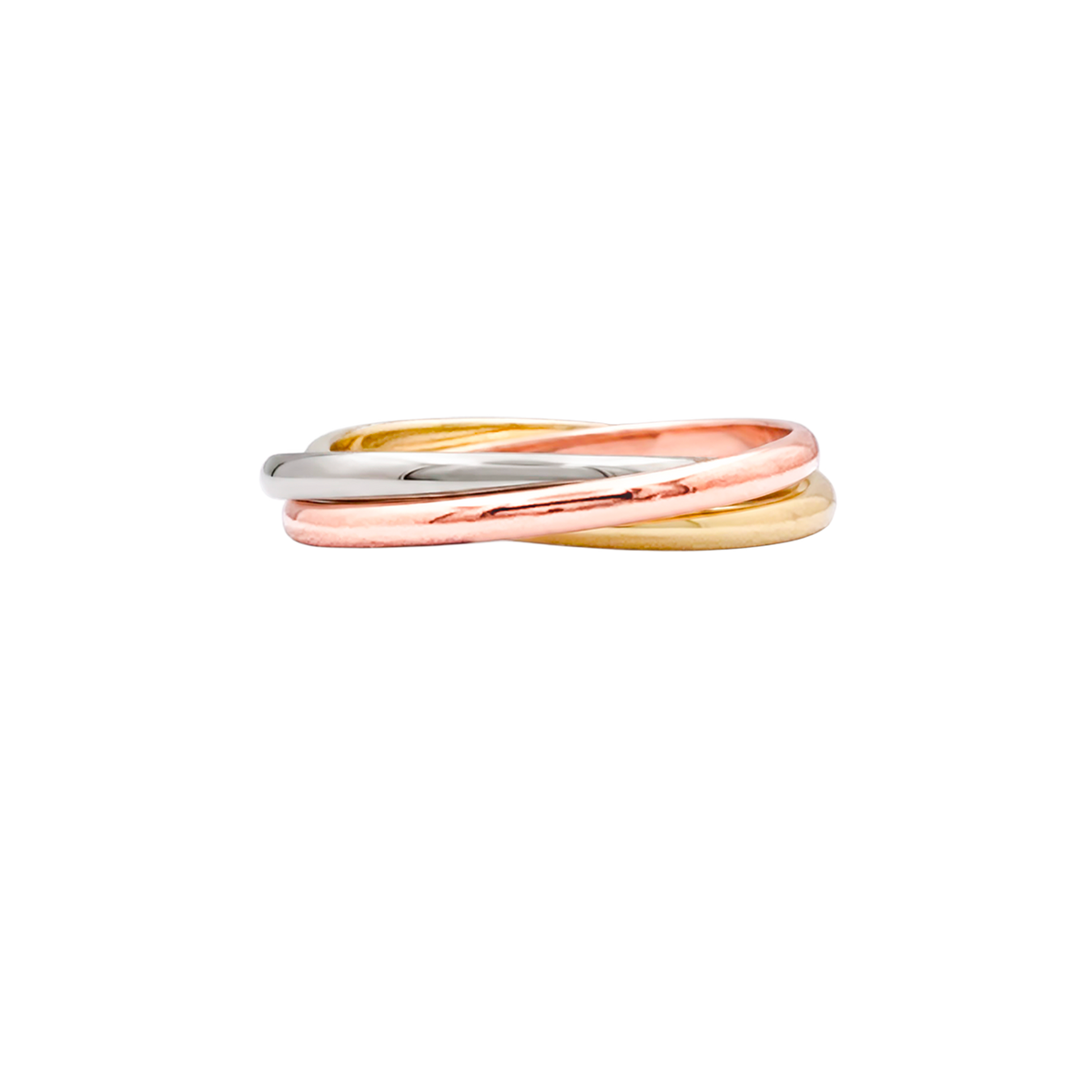
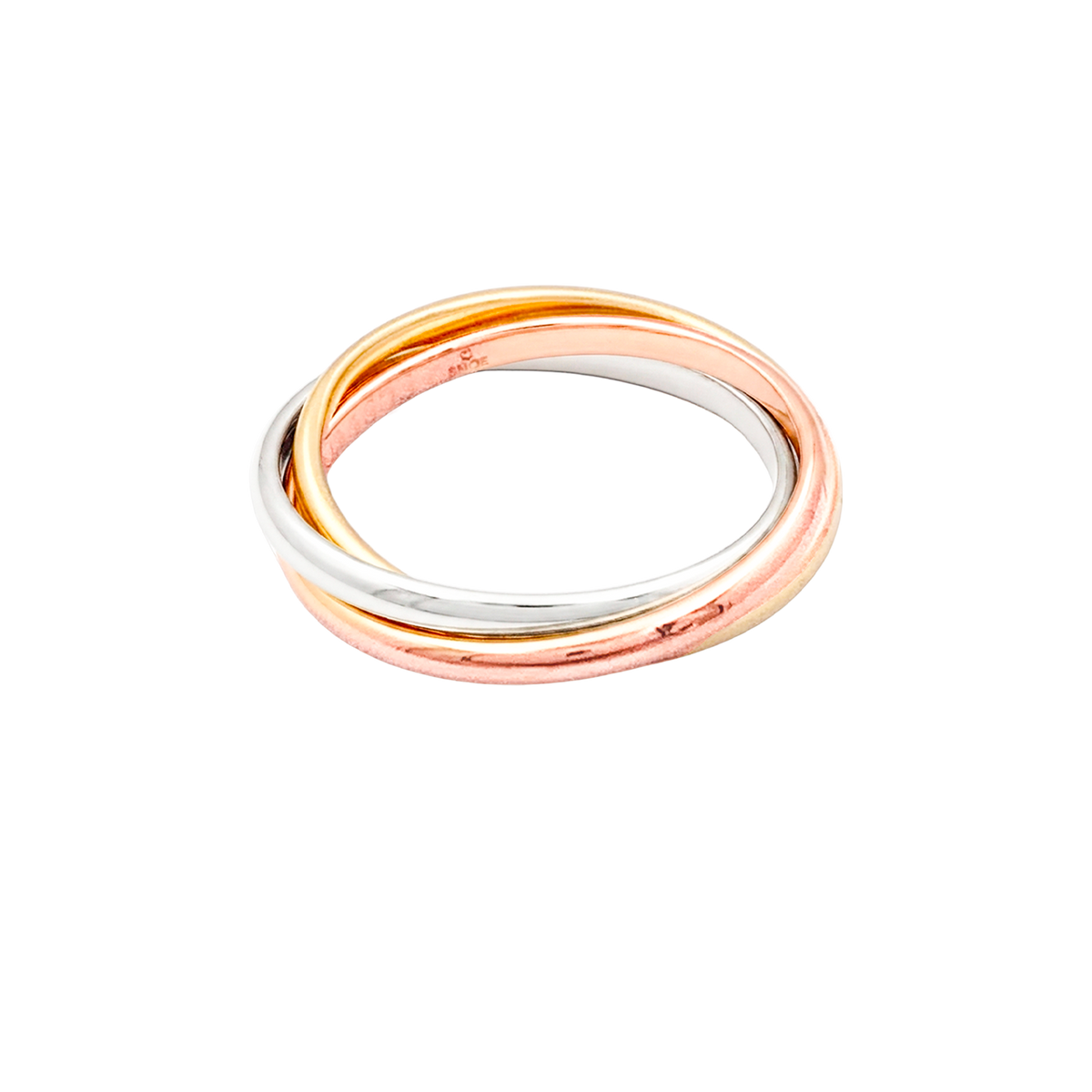
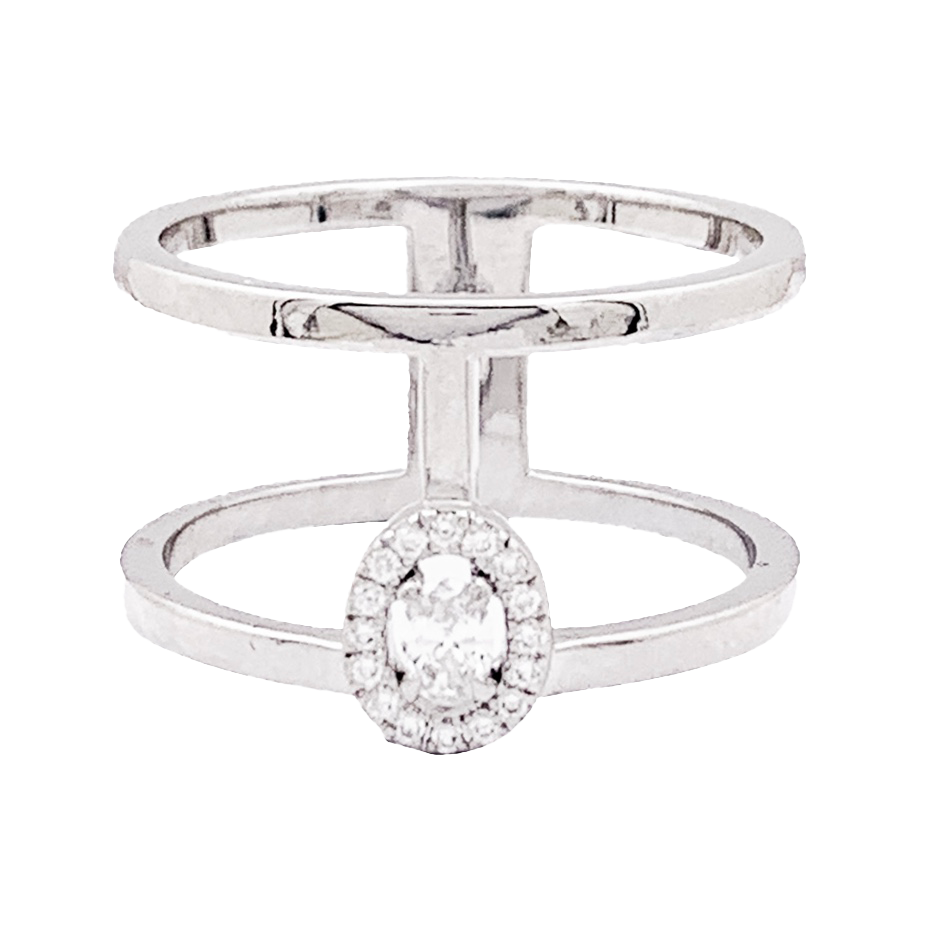
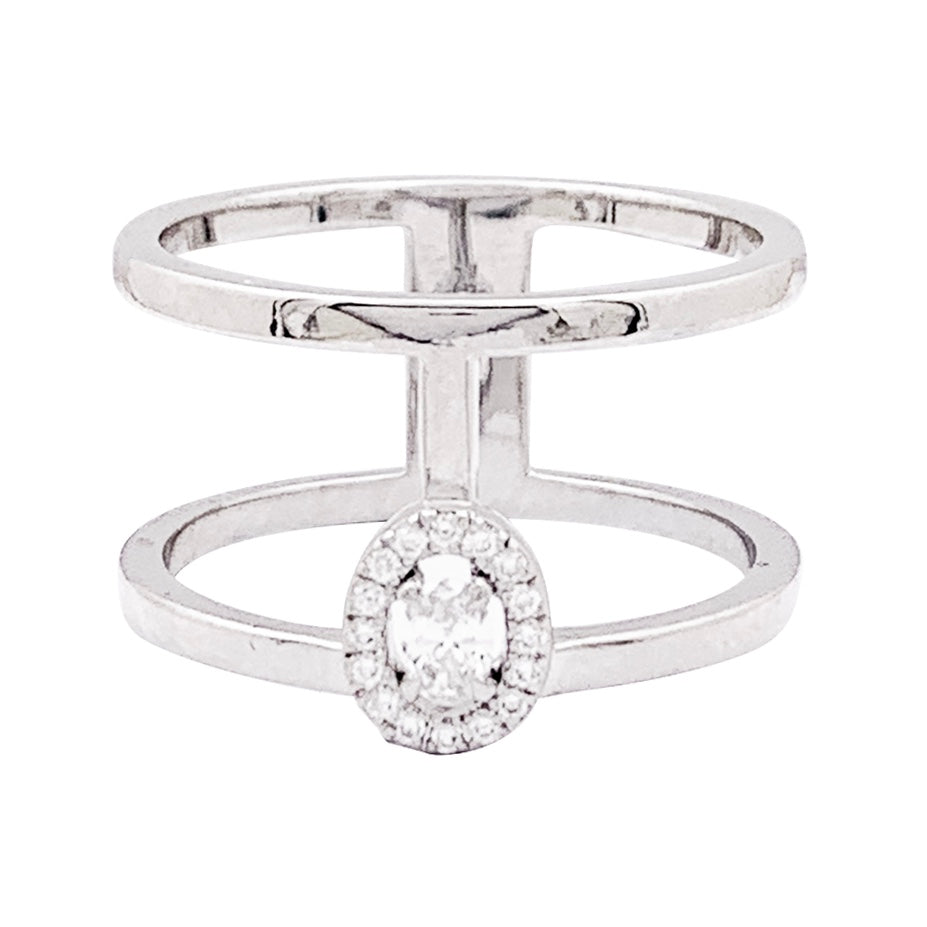
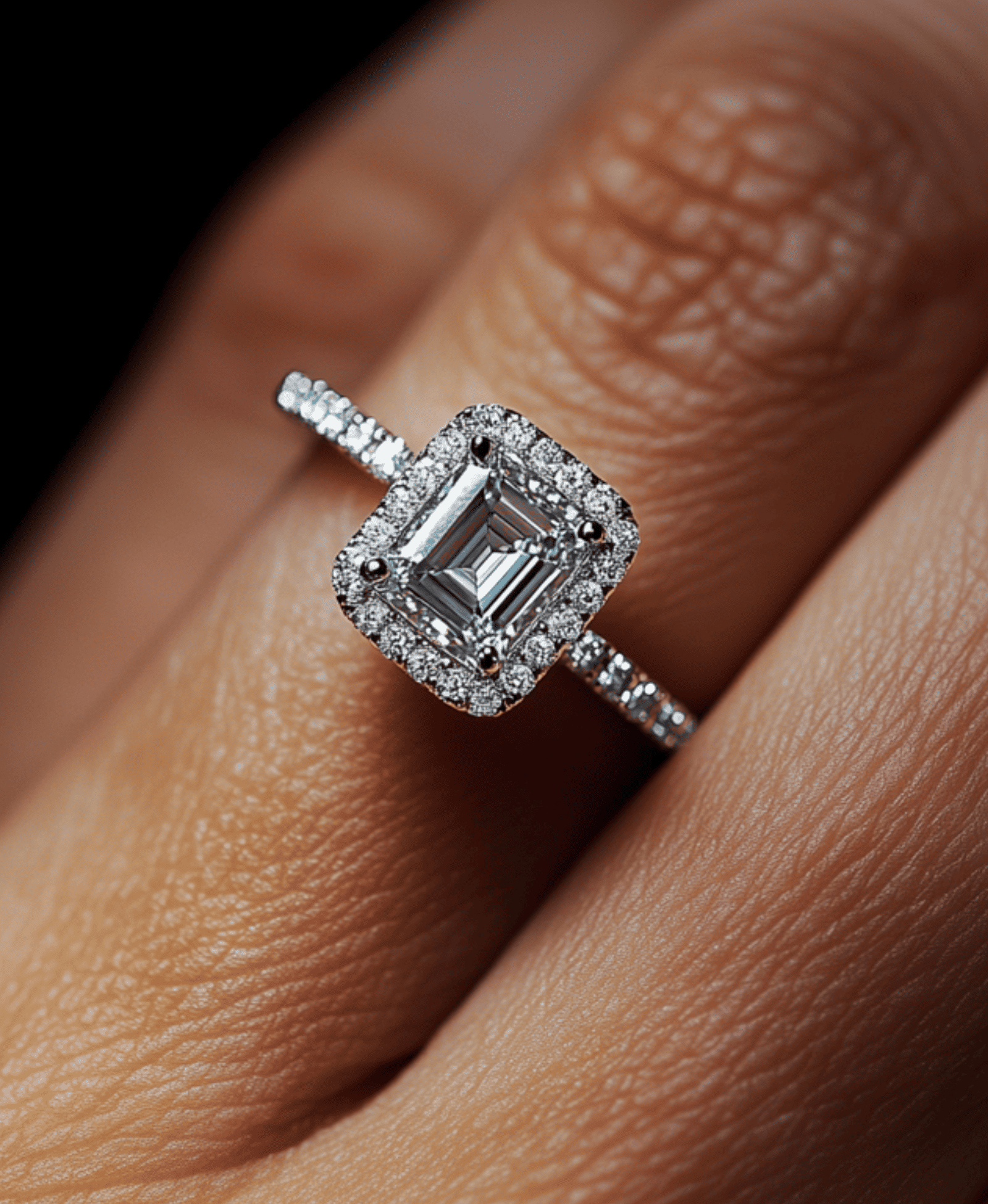
White gold is the most chosen metal for engagement rings and wedding bands. Its neutral hue enhances diamonds without altering their color. Its solidity also makes it a practical choice for jewelry worn every day.
The customization possibilities are numerous: diamond setting, internal engravings, varied shapes. Our collection of white gold and diamond jewelry will give you many ideas to find the perfect ring.
White gold necklaces and chains
Necklaces and white gold chains add a refined touch to any outfit. Whether it's a thin, discreet chain or a more assertive pendant, white gold adapts to all styles.
The most popular models are the curb chain, the identity bracelet, and the rope chain. Combined with a diamond pendant, they create a timeless piece of jewelry that can be worn on all occasions.
Earrings and bracelets
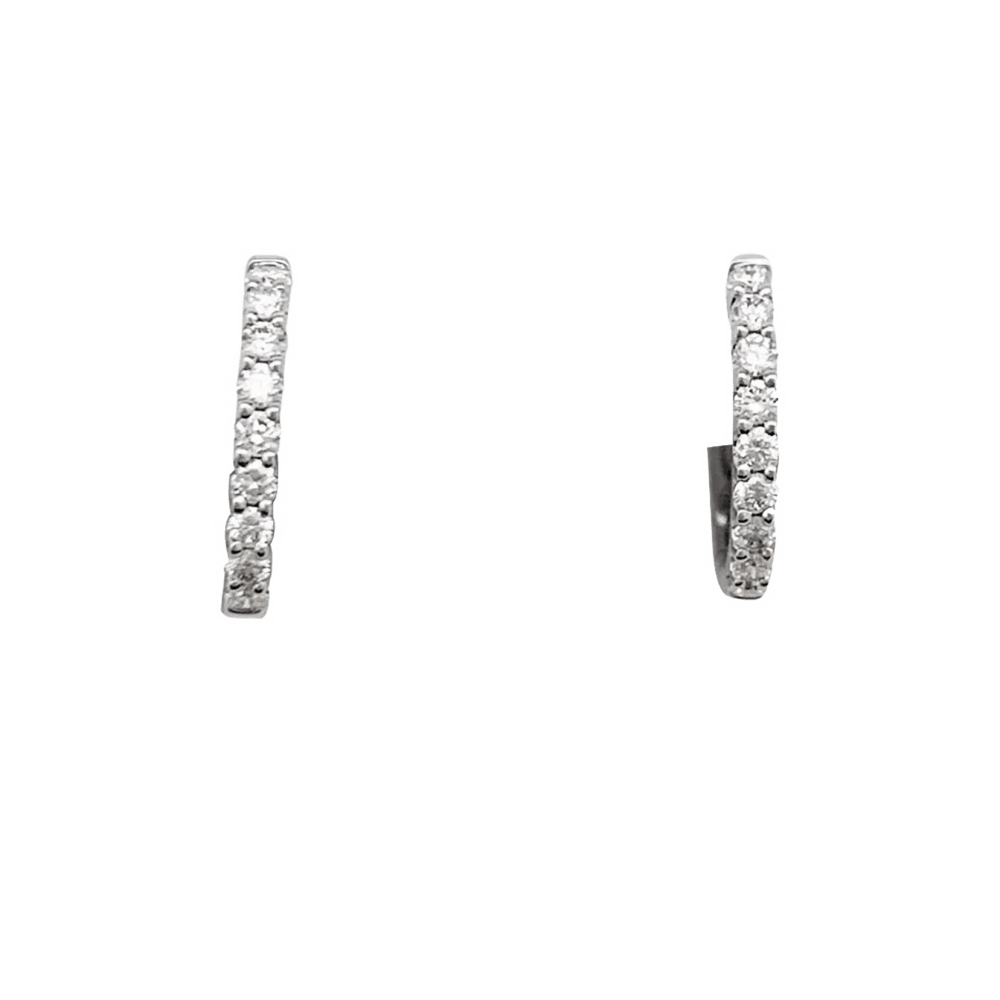
White gold lends itself to all forms of earrings: studs, hoops, dangling. It enhances colored stones such as sapphires, emeralds, or rubies, offering them a neutral and luminous setting.
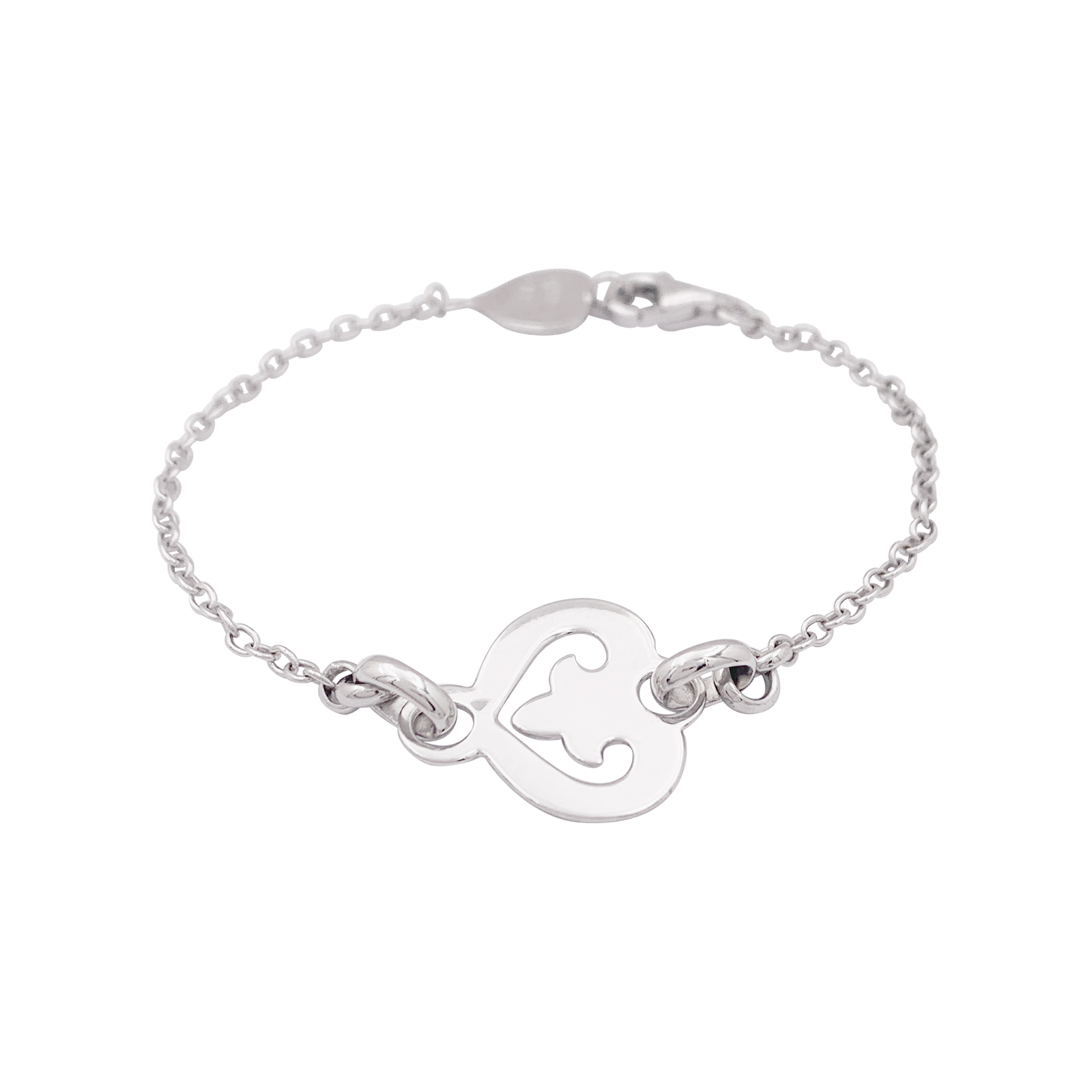
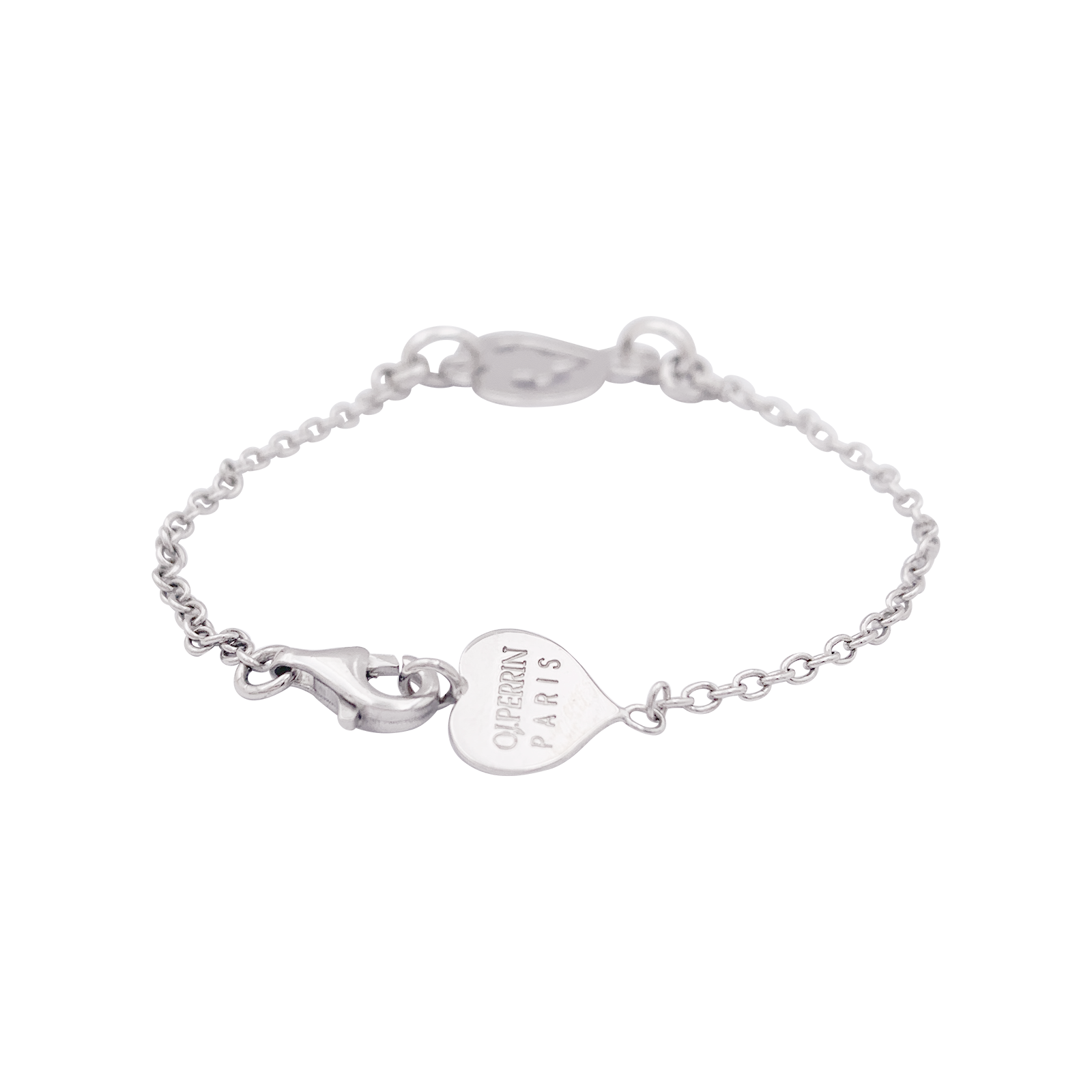
White gold bracelets, whether bangles, chains, or cuffs, are both elegant and resistant. They can be easily combined with other metals. For a quality option at a controlled price, explore our selection of pre-owned white gold jewelry, carefully authenticated.

Is white gold an ethical choice?
The question of ethics primarily depends on the origin of the gold used. Faced with growing environmental concerns, many jewelers now source gold from responsible sources or recycled gold.
Recycled gold is obtained by melting down old jewelry. This process avoids new mining extraction and reduces the environmental impact of production. If the ethics of your jewelry matter to you, ask your jeweler about the origin of the metals and their certifications before purchasing.
Conclusion: white gold, an elegant and versatile alloy
White gold combines the elegance of precious metal with the practicality of a solid and modern material. Its white luster, very close to platinum, makes it a top choice for fine jewelry, whether engagement rings, necklaces, or bracelets.
Its maintenance is simple: regular cleaning and occasional re-rhodium plating are enough to keep it impeccable for years. If you have sensitive skin, opt for a nickel-free alloy for more daily comfort.
Ready to find your ideal piece of jewelry? Browse our collection of white gold jewelry and be inspired by pieces combining quality, refinement, and timeless style.
Frequently asked questions about white gold
Is white gold real gold?
Yes, white gold is indeed gold. It is an alloy that contains a variable proportion of pure gold depending on its caratage. An 18-carat white gold jewel thus contains 75% pure gold.
Does white gold yellow over time?
White gold itself does not yellow. It is the rhodium plating that gradually wears off, revealing the slightly golden hue of the underlying alloy. A re-rhodium plating by a jeweler is enough to restore its brilliant white.
Is white gold expensive?
White gold is more expensive than silver, but significantly less expensive than platinum. Its price varies depending on the gold's caratage and the complexity of the jewelry. It is a good compromise between luxury and accessibility.
Is white gold suitable for sensitive skin?
Yes, provided you choose a nickel-free alloy. Palladium-based alloys are best suited for people with allergies. Always check the composition with the jeweler before purchasing.